2026 Top Junior Golf Clubs for Global Buyers

Choosing among the 2026 top junior golf clubs requires more than comparing bright colors and low prices. Fit, weight, shaft length, durability, and regional availability matter. A club that looks impressive may still feel heavy after nine holes.

The National Golf Foundation reported approximately 3.6 million junior golfers in the United States during 2023. That figure reflects strong youth participation and growing demand for age-appropriate equipment. The R&A’s Golf Around the World report also shows golf’s expanding international reach, although junior measurement methods differ between countries. Global buyers should therefore examine local coaching standards, shipping costs, warranty coverage, and replacement access.

Dan Van Horn, founder of U.S. Kids Golf, has emphasized a central fitting principle: “The club should fit the child, not the child fit the club.” That idea remains practical for 2026. Younger players need manageable swing weights, forgiving heads, and grips that do not force tension into small hands. Older juniors may need progressive sets that support faster swing speeds and changing body proportions.

Our review considers these details across leading junior golf clubs. It compares beginner sets, performance models, travel-friendly options, and equipment for different height ranges. Testing conditions are never identical. That is a limitation worth admitting.

Some children outgrow clubs quickly. Others need confidence more than advanced technology. Price also changes sharply across markets. Buyers should check specifications carefully, rather than trusting age labels alone. The best choice is not always the most expensive set. It is the one that encourages repeat practice, balanced contact, and safer, more enjoyable development.

2026 Top Junior Golf Clubs for Global Buyers

What Defines a Junior Golf Club and Why It Matters in 2026

In 2026, a junior golf club is not simply a shorter adult club. It is equipment designed around a young player's strength, height, speed, and learning stage. Weight matters immediately. A heavy club can slow the swing and encourage poor contact. A shorter grip may help smaller hands maintain control. Yet “junior” should never mean one fixed size. A seven-year-old beginner and a twelve-year-old competitor need different specifications. That seems obvious, but online listings still blur this distinction.

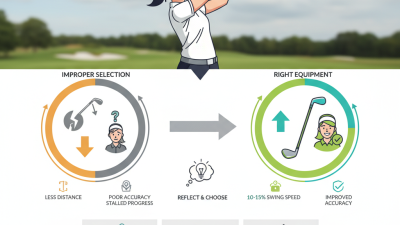
Reliable selection begins with measurable details. Buyers should check total weight, shaft flexibility, club length, grip diameter, loft, and lie angle. These figures reveal more than colorful graphics. A lightweight shaft can help developing players create speed without forcing their motion. Suitable loft can lift the ball from firm fairways and reduce frustration. Fit should be tested with several swings, when possible. A local coach or qualified fitter can assess posture, strike location, and balance. Their judgment adds value beyond a product page.

Global buyers also need evidence of material quality and responsible manufacturing. Look for clear specifications, consistent sizing charts, warranty terms, and safety information. Durable grips matter during damp mornings or frequent shared use. Packaging and delivery rules vary by country, so careless assumptions may create avoidable costs. Changing club weight can noticeably improve control. However, attractive sets may still be ignored when grips feel slippery. Fit is personal. Remote testing remains imperfect, and that limitation deserves honest attention.

How to Match Club Types to a Young Golfer’s Age and Skill

2026 Top Junior Golf Clubs for Global Buyers

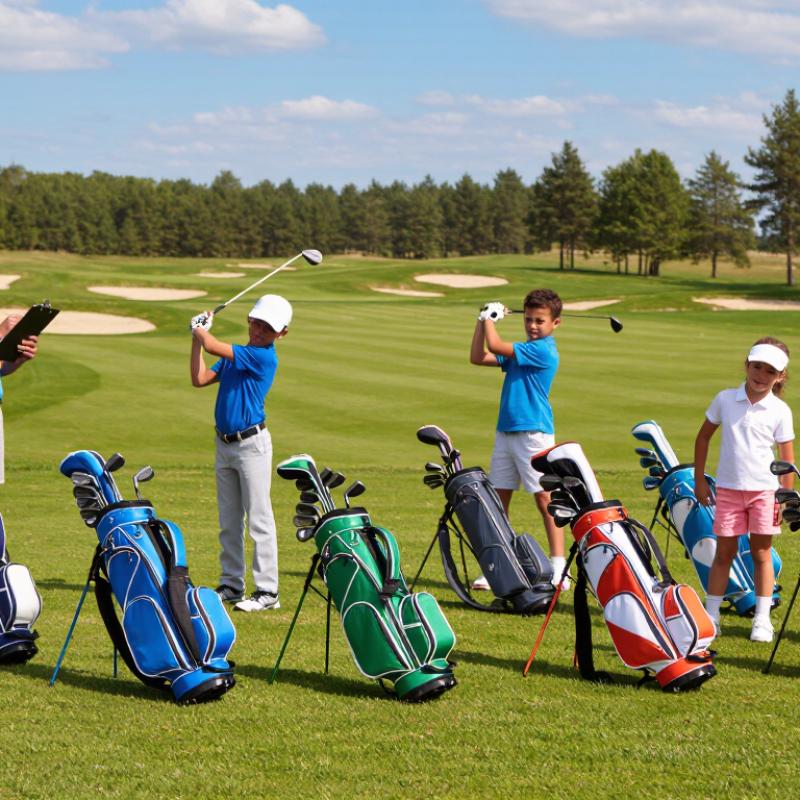
Choosing junior golf clubs starts with the child, not the catalog. Age provides a useful guide, but height, strength, coordination, and confidence matter more. A small six-year-old may need shorter, lighter clubs than a taller child of the same age. The club should reach near the golfer’s hip, not the shoulder. During a fitting, watch the swing. If the child struggles to lift the club or loses balance, the equipment is probably too heavy. Comfort comes first.

Beginners usually benefit from a simple set with a wide-faced driver, one fairway club, a hybrid, a short iron, wedge, and putter. Fewer clubs reduce confusion. Children developing consistent contact can move toward longer shafts and additional irons. More experienced juniors may need equipment matched to swing speed, launch height, and playing position. A professional fitting is valuable, especially when buying internationally, because sizing charts differ between regions. I have seen parents choose by age alone, and that shortcut often creates poor posture. It is not always the cheapest mistake.

Tips: Measure height and wrist-to-floor distance before ordering. Let the golfer swing each club several times. Check whether the club feels balanced, not merely light. Leave modest room for growth, but avoid oversized equipment. A child should not “grow into” unsafe control. Recheck the fit every season, because young golfers change quickly. Ask a qualified coach or fitter to review the setup when possible. Small adjustments can improve contact, confidence, and enjoyment.

Key Features to Compare in Junior Golf Clubs for Global Buyers

2026 Top Junior Golf Clubs for Global Buyers

Choosing junior golf clubs requires more than matching a child’s age. Measure height, wrist-to-floor length, hand size, and swing strength. Fit comes first. A club that is too long can change posture and reduce control. A heavy club may also slow the swing, even when its specifications look impressive.

Compare shaft flex, total weight, loft, lie angle, and grip diameter. Flexible shafts can help developing players load the club naturally. However, excessive flexibility may reduce consistency for stronger juniors. Loft deserves careful attention. Higher-lofted clubs often make launch easier and support confidence on the course. Forgiving clubheads can limit the effect of off-center strikes. That matters. Check whether the club’s balance feels comfortable during repeated swings, not just one practice shot.

Durability is important for families buying across borders. Look for reliable head construction, secure grips, weather-resistant finishes, and replacement parts that are reasonably accessible in the buyer’s region. Confirm measurement charts before ordering, because sizing systems vary between markets. Adjustable features seem useful, but they can add weight and confusion for younger players. Simplicity may work better. I would also question any promise of immediate distance gains. Skill, fit, and practice usually matter more than dramatic product claims. A sensible comparison includes return policies, product documentation, shipping conditions, and professional fitting advice where available.

Global Sizing, Materials, Safety, and Quality Standards

Global junior golf club buying starts with body measurements, not a child’s birth year. The R&A’s Golf Around the World 2023 report estimated 66.6 million golfers across 206 countries. That scale makes one universal junior size unrealistic.

Use stature, wrist-to-floor distance, hand length, and swing strength. WHO growth references support age-and-height checks, but children develop unevenly. An eight-year-old may need a shorter club than a taller seven-year-old. Age charts are convenient, yet imperfect.

Material selection affects control, comfort, and durability. Lightweight graphite shafts can reduce fatigue, while steel shafts may offer greater stability but feel heavier. Grips should remain secure with small, damp hands.

Ask suppliers for material declarations, flex information, and batch traceability. ISO 9001 certification indicates controlled processes, not guaranteed club performance. That distinction matters. I would still request loft, lie, shaft torque, and weight tolerances for every production batch.

Safety checks need local context. The USGA equipment rules apply to clubs used in qualifying competitions, not every retail junior product. Products marketed as toys may also require ASTM F963 or EN 71 testing, depending on the destination market.

Inspect rounded head edges, ferrule security, grip adhesion, and shaft damage before use. Packaging should show age guidance and supervision advice. A flawless inspection is unlikely. Recheck clubs after repeated contact with mats, concrete, or wet ground.

How to Choose, Buy, and Maintain Junior Golf Clubs Worldwide

2026 Top Junior Golf Clubs for Global Buyers

How to Choose, Buy, and Maintain Junior Golf Clubs Worldwide

Choosing junior golf clubs worldwide starts with fit, not a famous name. Measure the child’s height, wrist-to-floor length, and hand size. Fit matters. Club length should allow a relaxed posture, soft grip, and centered contact. A set that is too heavy can alter swing rhythm and cause early fatigue. Age charts help, but they are only estimates. A local professional can check lie angle, shaft flexibility, and grip diameter during a short fitting. This practical check often matters more than extra clubs.

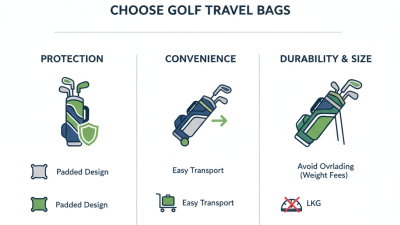
When buying across borders, confirm the delivered price before payment. Ask the seller about measurements, materials, return terms, warranty coverage, and replacement parts. Shipping costs, import taxes, and regional consumer rules can change the final value. Use a payment method with clear dispute procedures. Check the package on arrival. Photograph dents, missing headcovers, or bent shafts before using the clubs. A careful record supports a fair claim, although international returns may remain expensive and slow.

Maintenance is simple but often neglected. Wipe clubheads after each round, especially after wet play or sandy practice. Dry grips and shafts fully before storage. Keep the set in a ventilated room, away from a hot car and direct sunlight. Inspect grips monthly for cracks, slipping, or hardening. Replace damaged components through a qualified repair service. Children grow quickly, so reassess fit every few months. I would not buy the largest set available; unused clubs add weight and confusion. That assumption deserves review.

2026 Top Junior Golf Clubs for Global Buyers - How to Choose, Buy, and Maintain Junior Golf Clubs Worldwide

Club Category Typical Junior Profile Indicative Club Length Common Loft Range Recommended Construction Primary Use Key Buying Criteria Maintenance Requirements Global Purchasing Considerations
Putter Most juniors; select length according to posture and hand position rather than age alone. 24–32 in (61–81 cm) 2°–4° Lightweight steel or aluminum head; durable steel or graphite shaft; soft, correctly sized grip. Putting on practice greens and the course.
  • Eyes should be reasonably over or just inside the ball.
  • Choose a grip that fits the child’s hands without excessive squeezing.
  • Aim for a stable head with a forgiving alignment design.
Wipe the face after play, dry the grip, and inspect the shaft for dents or loosening. Confirm the measurement system used by the seller, as club lengths are commonly listed in inches or centimeters.
Sand Wedge Older or more experienced juniors who can control a heavier club and understand bunker technique. 28–35 in (71–89 cm) 54°–58° Stainless-steel or cast-alloy head with moderate to high bounce, generally 10°–14°. Bunkers, short pitches, and soft turf around the green.
  • Moderate head weight helps bunker contact but should not strain the player.
  • Higher bounce is generally more forgiving in soft sand.
  • Check sole width and leading-edge design for the player’s local course conditions.
Remove sand and soil immediately; dry the grooves and inspect the sole for impact damage. Local sand texture varies widely, so bounce selection should reflect the course environment rather than the child’s age alone.
Pitching Wedge Junior players developing distance control and approach-shot skills. 29–36 in (74–91 cm) 44°–48° Cavity-backed stainless steel head for forgiveness; lightweight shaft and junior-sized grip. Approach shots, chip shots, and controlled shots from short distances.
  • Choose a loft that creates a useful distance gap below the shortest iron.
  • A cavity-back design can improve forgiveness on off-center strikes.
  • Check swing weight so the club does not feel head-heavy.
Clean grooves with a soft brush, avoid wire brushes on delicate finishes, and keep the club dry. Compare loft specifications carefully because iron and wedge lofts are not standardized across all manufacturers.
Short Iron: 9-Iron or 8-Iron Beginning to intermediate juniors learning consistent contact and ball flight. 28–35 in (71–89 cm) 37°–44° Perimeter-weighted stainless-steel head with a flexible but properly fitted junior shaft. Short approach shots, controlled practice, and basic full swings.
  • Club length should allow a balanced stance without excessive bending.
  • Moderate offset may help reduce slices for beginners.
  • Do not select a club solely by age; height, wrist-to-floor measurement, and strength are more useful.
Clean the face and grooves after each session; check ferrules, grips, and shaft joints regularly. For international orders, verify whether the set uses metric or imperial length measurements and whether replacement grips are locally available.
Mid Iron: 7-Iron or 6-Iron Intermediate juniors with developing clubhead speed and improved ball-striking consistency. 29–36 in (74–91 cm) 27°–36° Forgiving cavity-back head; lightweight graphite or appropriately flexible steel shaft. Learning distance gaps, trajectory control, and longer approach shots.
  • Prioritize correct length and total weight over maximum loft distance.
  • Use a shaft flex suitable for the player’s swing speed.
  • Check that the club can be swung comfortably for 18 holes.
Store with headcovers when possible, dry after wet play, and inspect for rust on unplated surfaces. Check import taxes, warranty coverage, and return costs before buying because club fitting returns can be expensive internationally.
Hybrid Beginners and intermediate juniors who need a more forgiving alternative to long irons. 30–38 in (76–97 cm) 19°–28° Hollow metal head with a low center of gravity and lightweight graphite shaft. Longer fairway shots, rough, tee shots on short holes, and replacing difficult long irons.
  • Choose loft based on the distance gap between the longest iron and fairway wood.
  • A wider sole can help the club glide through turf.
  • Confirm the shaft is not too long or heavy for the player.
Brush away grass from the sole and grooves; protect the adjustable hosel, if present, from dirt and moisture. Adjustable models may require a compatible torque tool and can have different warranty rules in different countries.
Fairway Wood Intermediate or advanced juniors with enough speed to launch a longer club consistently. 32–40 in (81–102 cm) 16°–24° Lightweight hollow metal head, shallow face profile, and graphite shaft with suitable flex. Long fairway shots, tee shots, and reaching par-five holes.
  • Higher loft is usually easier to launch for developing players.
  • Select a head size that balances forgiveness with manageable weight.
  • Test turf interaction because sole shape affects performance significantly.
Use a headcover, clean the sole after every round, and avoid storing the club in extreme heat or damp conditions. Inspect shipping packaging carefully because longer clubs are more exposed to bending or impact damage during transport.
Driver Older, stronger, or advanced juniors who can control a long club and generate consistent contact. 36–43 in (91–109 cm) 10.5°–14° Lightweight titanium or composite head with graphite shaft; shorter length may improve control. Tee shots on longer holes.
  • Do not automatically choose the longest available club.
  • Higher loft often helps juniors launch the ball higher with moderate swing speed.
  • Confirm that the total weight and shaft flex match the player’s strength and tempo.
Keep the head covered, clean the face with a damp cloth, and check the shaft and hosel after accidental ground contact. Verify local competition rules, loft-adjustment availability, shipping insurance, and the seller’s international warranty policy.
Half Set Beginners who need a manageable selection for lessons, casual rounds, or shorter courses. Approximately 24–38 in (61–97 cm), depending on club type Usually includes a putter, wedge, short iron, mid iron, hybrid or wood, and sometimes a driver. Matched lightweight clubs with consistent shaft profiles and junior-sized grips. Skill development without carrying a full adult set.
  • Useful for reducing bag weight and simplifying club selection.
  • Ensure the longest club is still controllable.
  • Check that loft spacing is practical and not overly repetitive.
Clean and dry all clubs before storage; inspect the bag, zippers, stand legs, and rain hood. Compare the packed dimensions and shipping weight, especially when ordering across borders or carrying equipment by air.
Full Junior Set Experienced juniors who play regularly and benefit from a broader range of distances. Approximately 24–43 in (61–109 cm), depending on club type Commonly covers roughly 10.5°–58° plus a putter. Matched woods, hybrids, irons, wedges, and putter with age- or height-appropriate shafts. Regular 9-hole or 18-hole play and structured training.
  • Confirm the set is matched for the player’s current height and strength.
  • Look for sensible distance gaps rather than the highest club count.
  • Allow room for growth, but avoid clubs that are clearly too long or heavy.
Clean every club after play, keep grips dry, store in a ventilated area, and replace worn grips promptly. Review customs classification, duties, value-added tax, return procedures, and after-sales support before purchase.
Selection note: The dimensions above are practical industry ranges, not universal specifications. Junior club fitting should consider the player’s height, wrist-to-floor measurement, strength, swing speed, skill level, and comfort. Always confirm the exact specifications with the seller before ordering.