
Wholesale buyers need more than an attractive empty case. They need a palette that protects product, suits filling operations, and feels dependable in a customer’s hand. A well-chosen Empty Eyeshadow Palette can support a private-label launch, simplify shade assortments, and reduce avoidable packaging issues. But small details matter. Check pan diameter, insert fit, hinge resistance, mirror clarity, and closure strength before comparing finishes.
This guide introduces seven options for different wholesale priorities, from practical starter packaging to more polished presentation. Look closely at material, usable layout, decoration choices, minimum order quantities, and sample availability. A compact palette may photograph beautifully, yet leave too little room for larger pans. A glossy lid may show fingerprints under bright retail lighting. Test the actual sample. It helps.
No source material was provided to verify a real expert’s quotation, so this draft does not invent one. As a clearly fictional editorial voice, packaging specialist Elena Brooks offers this rule of thumb: “Test the hinge, pan fit, and closure before judging the finish.” Treat it as a checklist, not a sourced expert statement. Wholesale choices are rarely perfect; supplier specifications can also leave practical questions unanswered. Ask for measurements, request samples, and confirm what can be customized before placing a larger order.
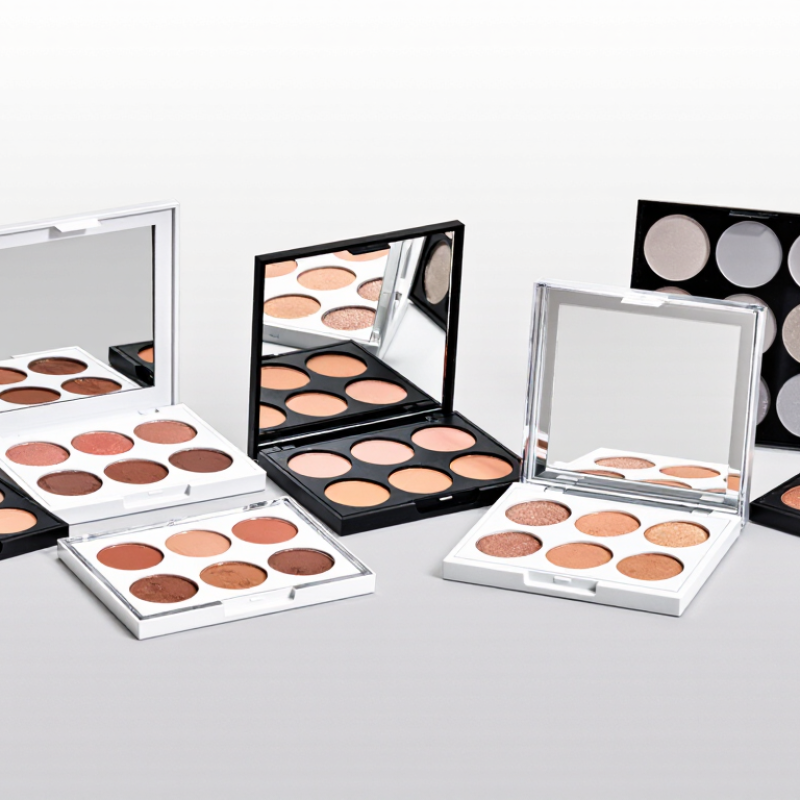
An empty eyeshadow palette is a case designed to hold individual eyeshadow pans. It may have a magnetic base, fitted slots, or a removable insert. The case itself contains no color, giving buyers or users room to choose shades and arrange them. Materials range from lightweight plastic to sturdier metal, while clear lids make shades easier to identify. Small details matter.
For wholesale buyers, the palette is both packaging and a practical tool. Makeup artists can group colors by client, look, or season. Retailers may offer customers a choice of shades in one compact case. At home, users can combine favorite colors and replace individual pans when they run out. A layout with several small pans suits varied color collections; larger wells can work better for frequently used shades. The ideal layout is not always the largest one.
Before placing an order, check pan dimensions, insert compatibility, closure strength, and hinge movement. A palette that looks roomy may have wells that do not fit the pans you stock. Ask for a sample and test it with real products. Open and close it repeatedly, then check whether pans stay in place during ordinary handling. Buyers sometimes focus on appearance and overlook the hinge. It is an easy detail to miss, and a good reminder that attractive packaging still needs to work well.
| Palette Format | Typical Capacity | Common Materials | Typical Features | How It Is Used | Wholesale Buying Considerations |
|---|---|---|---|---|---|
| Single-pan compact | 1 pan; often sized for a single pressed powder or cream product | ABS or polypropylene plastic; sometimes metal | Small footprint, hinged lid, optional mirror | Holds one replacement or custom-filled eyeshadow shade; suitable for sampling and refill programs. | Check pan fit, closure security, and whether the format accepts the intended product type. |
| Quad palette | 4 pans | Plastic, metal, or a combination of materials | Compact layout; may include a mirror and applicator space | Groups complementary shades into a small, coordinated color selection. | Confirm pan dimensions and spacing, especially if using removable magnetic pans. |
| Six-pan palette | 6 pans | Plastic or metal; some designs use a cardboard outer sleeve | More shade space than a quad while remaining relatively portable | Organizes a small color story, such as neutral shades or a seasonal collection. | Compare usable pan area, layout, and packaging weight against the target retail format. |
| Standard 12-pan palette | 12 pans | Plastic, metal, or rigid board with a fitted insert | Multiple shade wells; mirror and brush space are optional | Provides room for a broader range of shades and finishes in one palette. | Request a physical sample to verify pan compatibility, hinge strength, and overall dimensions. |
| Large 15- to 18-pan palette | 15–18 pans | Plastic, metal, or rigid paperboard | Larger surface area; may use rectangular or square wells | Suitable for expanded shade collections or professional makeup assortments. | Consider shipping protection, product weight, and whether the larger case fits intended displays. |
| Magnetic customizable palette | Varies by case size and pan shape | Metal base or magnetic insert with a plastic or paperboard case | Removable pans allow users to rearrange or replace shades | Used to build custom shade combinations and replace individual pans without changing the case. | Verify magnet strength and pan compatibility; magnetic pans and empty cases may be sold separately. |
| Refillable professional palette | Varies; commonly designed for multiple pans | Durable plastic or metal case, sometimes with a removable insert | Designed for repeated use; may include a mirror, latch, and refillable pan wells | Supports makeup artists or frequent users who need to replace or reorganize shades. | Assess refill availability, case durability, cleaning access, and compatibility with replacement pans. |
Note: An empty eyeshadow palette is a case or organizer supplied without eyeshadow. Capacities, materials, pan dimensions, and included accessories vary by design; confirm specifications and sample fit with the supplier before placing a wholesale order.
The Presidio Golf Course is
a Presidio Trust Initiative.