
Choosing the best lithium RV battery is not just a matter of picking the largest capacity or lowest price. On a cold morning, a battery may need to power a furnace, lights, and a coffee maker at once. That is where usable capacity, continuous output, charging compatibility, and battery management become practical concerns. Numbers can mislead. A capacity rating means little if the battery cannot support your actual loads or recharge properly from your RV’s system.
Battery researcher Dr. Jeff Dahn’s work offers a useful reminder: cell chemistry alone does not determine real-world performance. In brief, this is a paraphrase of his research, not a verbatim quotation: “The cells matter, but so does the system around them.” For RV owners, that means checking the battery management system, temperature limits, warranty terms, and manufacturer support—not just the label. A lithium RV battery can reduce weight and provide more usable energy than many lead-acid options, but it still needs a compatible charger and thoughtful installation.
The right choice depends on how you travel. Weekend campers may value simplicity and cost, while full-time RVers may need more capacity and reliable cold-weather charging. One detail is easy to overlook: future upgrades can change today’s ideal setup. I would compare several models against your real power needs, then verify every specification with the manufacturer. There is no universal winner. Some recommendations may feel less decisive than a single “best” pick, but that caution is useful when your appliances, climate, and travel habits differ.
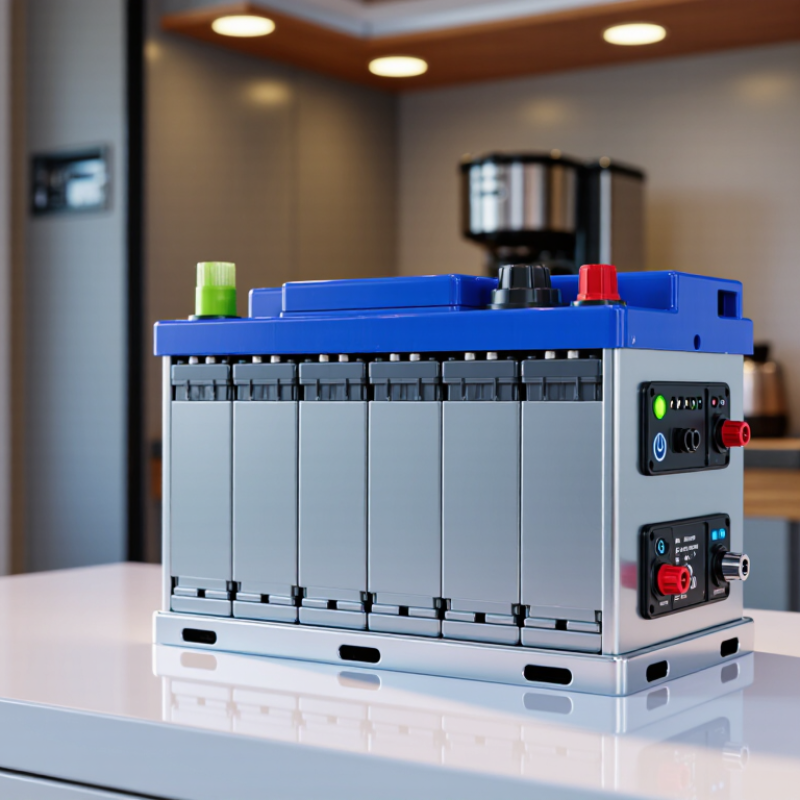
Lithium RV batteries usually use lithium iron phosphate chemistry, often labeled LiFePO4. A 12-volt model typically has a nominal voltage near 12.8 volts. That number is only a starting point. The battery’s usable capacity, discharge limits, and charging requirements matter more when planning a real trip.
Inside the case, a battery management system monitors cell voltage, temperature, and current. It can disconnect the battery if readings move beyond safe limits. Useful protection, but not magic. Charging below the battery maker’s stated minimum temperature can damage some lithium cells, so check the manual before winter use. A compatible charger is important too; an unsuitable charging profile may leave the battery undercharged or cause problems.
Compared with many lead-acid batteries, LiFePO4 batteries can provide more usable energy at a similar rated capacity and often weigh less. That can mean fewer generator hours, but results depend on appliances, weather, and charging access. It is easy to focus on amp-hours and overlook the inverter, wiring, or alternator. I would not assume a new battery automatically fits an older RV system. Check voltage, charger settings, and installation guidance before choosing one.
The examples below use typical lithium iron phosphate (LiFePO₄) RV battery configurations. Actual capacity, usable energy, weight, charge limits, and cycle life vary by battery design and operating conditions.
| Configuration | Nominal Voltage | Rated Capacity | Rated Energy | Typical Usable Energy | Typical Weight | Typical Continuous Discharge | Typical Cycle-Life Range | Best Suited For |
|---|---|---|---|---|---|---|---|---|
| 12 V, 100 Ah | 12.8 V | 100 Ah | 1.28 kWh | About 1.15–1.28 kWh | About 10–14 kg (22–31 lb) | Often around 100 A; check the battery’s BMS limit | Often about 2,000–5,000 cycles | Light-duty use, weekend trips, or a single-battery upgrade |
| 12 V, 200 Ah | 12.8 V | 200 Ah | 2.56 kWh | About 2.30–2.56 kWh | About 20–28 kg (44–62 lb) | Often around 100–200 A, depending on BMS design | Often about 2,000–5,000 cycles | Best all-around choice for many 12 V RVs: useful capacity for lights, fans, and common appliances |
| 12 V, 300 Ah | 12.8 V | 300 Ah | 3.84 kWh | About 3.46–3.84 kWh | About 30–40 kg (66–88 lb) | Varies widely; confirm BMS and cable ratings | Often about 2,000–5,000 cycles | Extended off-grid stays and higher daily energy use |
| 24 V, 100 Ah | 25.6 V | 100 Ah | 2.56 kWh | About 2.30–2.56 kWh | About 20–27 kg (44–60 lb) | Depends on BMS rating and system design | Often about 2,000–5,000 cycles | RV systems designed for 24 V equipment or longer cable runs |
| 48 V, 100 Ah | 51.2 V | 100 Ah | 5.12 kWh | About 4.61–5.12 kWh | About 40–55 kg (88–121 lb) | Depends on BMS rating and inverter compatibility | Often about 2,000–5,000 cycles | Large, purpose-built systems with compatible 48 V equipment |
| Feature | What It Means for an RV |
|---|---|
| Nominal voltage | A typical “12 V” LiFePO₄ battery has a nominal voltage of 12.8 V. Its actual voltage changes with state of charge and load. |
| Energy calculation | Rated energy in watt-hours is approximately nominal volts × amp-hours. For example, 12.8 V × 100 Ah = 1,280 Wh, or 1.28 kWh. |
| Battery management system (BMS) | The BMS monitors the cells and may limit charging or discharging to protect against conditions such as overvoltage, undervoltage, overcurrent, or temperature extremes. |
| Charging | Many 12 V LiFePO₄ batteries specify a charge voltage around 14.2–14.6 V, but settings must follow the battery manufacturer’s instructions. The converter, solar controller, and alternator charging system should be compatible. |
| Cold-weather charging | Many LiFePO₄ batteries must not be charged below 0°C (32°F) unless specifically designed with low-temperature protection or heating. Check the allowed charging-temperature range. |
| Usable capacity and cycle life | Usable energy depends on the BMS limits, reserve settings, load, temperature, and operating conditions. Cycle-life figures are estimates and depend on depth of discharge, charge rate, temperature, and the manufacturer’s test method. |
Selection note: For many conventional 12 V RVs, a 12 V LiFePO₄ battery around 200 Ah is a practical balance of capacity and weight. Confirm system voltage, inverter surge requirements, BMS current limits, charging compatibility, installation space, and battery temperature limits before choosing a configuration.
The Presidio Golf Course is
a Presidio Trust Initiative.