
Choosing the best Mountain Bike Elbow Pads in 2026 depends on how and where you ride. A light trail rider may value breathable fabric and easy movement. Someone tackling rocky descents may prefer fuller coverage and a secure fit. There is no single pad that suits every arm, bike, or riding style.
This guide looks at practical details that matter on the trail: protection coverage, impact materials, ventilation, sleeve grip, and comfort beneath a jersey. Small differences become obvious after an hour of pedaling. A cuff that slips can need constant adjustment, while a bulky pad may feel restrictive on a steep climb. Fit is personal. Check the sizing chart, then consider how the pad feels with your usual riding layers. Protection also has limits; elbow pads cannot prevent every injury, and worn or poorly fitted gear may offer less useful coverage.
We’ll compare common pad designs and explain the trade-offs, rather than treat a high price or bold protection claim as proof of quality. Product specifications can help, but they do not tell the whole story. Real comfort varies with body shape, temperature, and riding intensity. Some recommendations may involve compromise. That is worth acknowledging. The right choice is the one you can wear securely and comfortably for the ride ahead.
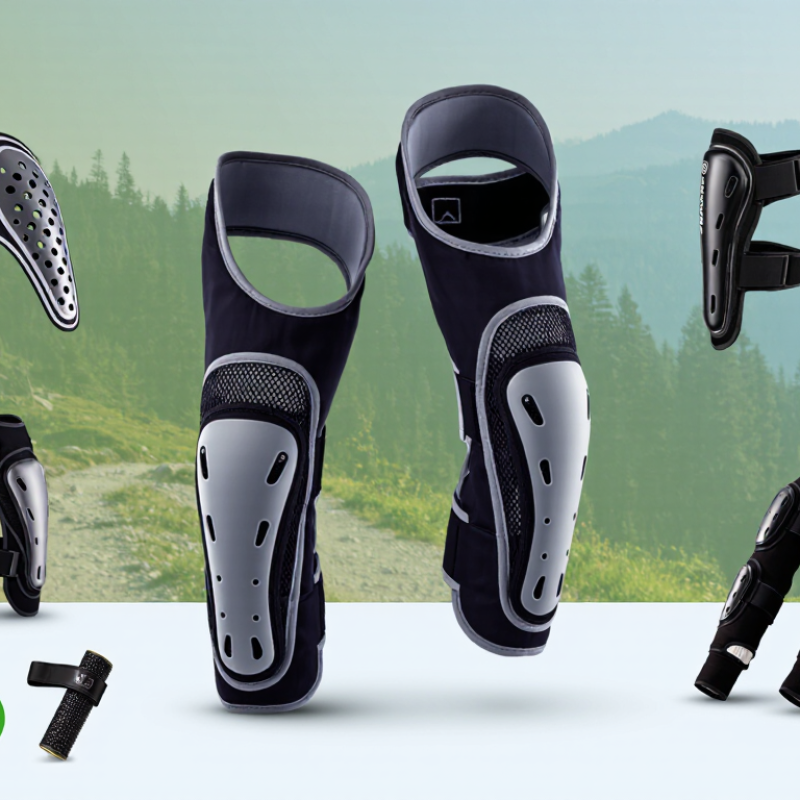
Mountain bike elbow pads protect riders by placing a cushioning layer over a joint that often meets the ground during a fall. On a loose corner, a quick slide can scrape skin against gravel or strike the elbow on a root. A tough outer panel helps resist abrasion, while softer padding spreads some impact across a wider area. It cannot prevent every injury.
Fit matters. A pad that shifts downhill may leave the elbow exposed just when protection is needed. One that feels too tight can distract the rider or restrict arm movement. Check that the pad stays centered while you bend your arm, reach for the bars, and shift your weight. Small details count: seams should not rub, and straps should hold without pinching.
Protection also depends on the trail and the rider. Lightweight sleeves may suit warm, smoother rides, while thicker pads offer more coverage on rocky descents. There is a trade-off, and it is easy to overlook comfort until a long climb makes the pads feel hot. No pad replaces careful riding, but suitable coverage can reduce scrapes and soften some knocks. A little trial and error may be part of finding the right fit.
| Pad Type | Typical Coverage and Construction | How It Helps Protect Riders | Main Advantages | Trade-Offs | Best Suited To |
|---|---|---|---|---|---|
| Lightweight sleeve with a soft impact pad | Stretch fabric sleeve with a flexible pad over the point of the elbow; usually has a close, low-profile fit. | The pad cushions direct contact, while the sleeve helps keep it positioned and can reduce scrapes from trail contact. | Flexible and relatively easy to pedal in; suitable for riders who prioritize mobility and low bulk. | Usually offers less coverage and abrasion resistance than more substantial designs. Fit matters because a slipping pad may not cover the elbow during a fall. | Cross-country riding, trail rides, and warm conditions where a lightweight feel is preferred. |
| Flexible, impact-responsive pad | Contoured protective insert designed to remain pliable during movement and stiffen or spread impact forces when struck. | Helps cushion an impact over the elbow while allowing the rider to bend the arm; protection depends on the specific material, construction, and fit. | Balances freedom of movement with more targeted impact cushioning than a simple fabric sleeve. | Protection levels vary between designs. Flexibility does not mean the pad prevents all injuries. | Trail and all-mountain riding where comfort during climbing and coverage on descents are both important. |
| Extended-coverage trail pad | Elbow pad with a longer sleeve or side panels that cover more of the upper forearm and lower upper arm. | Broader coverage can help shield more skin from scrapes and provide a larger area around the elbow for the protective insert. | More coverage than a compact sleeve; often a practical middle ground for varied trail conditions. | Additional fabric may feel warmer or more restrictive, especially in hot weather or during long climbs. | Everyday trail riding and all-mountain routes with a mix of climbing, descending, and rough terrain. |
| Reinforced enduro pad | More substantial elbow cup or impact pad combined with durable outer fabric and secure sleeve construction. | Combines impact cushioning with increased coverage and abrasion resistance around areas likely to contact the ground. | Offers a more protective feel for faster or rougher riding; typically stays in place more securely when correctly sized. | Can be warmer, bulkier, and less comfortable for extended pedaling than lighter designs. | Enduro trails, technical descents, and riders who prefer added coverage over minimum bulk. |
| Hard-shell or highly reinforced pad | Rigid or semi-rigid outer surface over cushioning, often paired with a robust sleeve or fastening system. | The outer surface can help resist abrasion and distribute contact across the covered area; cushioning underneath helps absorb impact. | Useful when repeated ground contact or sliding abrasion is a concern; durable construction can suit demanding conditions. | May restrict movement or feel uncomfortable for routine pedaling. A shell cannot eliminate the risk of fractures or other injuries. | Bike-park laps, downhill riding, and other situations where riders choose heavier-duty coverage. |
| Choosing the right fit | Any pad type, selected in a size that holds the protector over the elbow without cutting into the arm or limiting normal movement. | A secure fit helps keep the protective area in place during riding and a fall; correctly positioned coverage is essential for the design to work as intended. | Improves comfort and reduces unwanted shifting, bunching, or pressure points. | A pad that is too loose can move; one that is too tight can restrict circulation or movement. Sizing varies by manufacturer. | Every rider and riding style. Bend the arm and test the fit before heading onto the trail. |
The Presidio Golf Course is
a Presidio Trust Initiative.