What Is the Best Putter for 2026 Global Buyers?
Choosing the best putter for 2026 global buyers requires more than comparing brand names or launch prices. A reliable decision starts with stroke type, head shape, balance, grip size, and distance control. Small details matter. A face insert can change sound and feel. A heavier head may steady a short stroke, while a lighter design can improve feedback.
This guide examines leading putter categories through practical testing, manufacturer specifications, and advice from qualified club fitters. It considers materials, alignment systems, adjustability, durability, warranty support, and availability across major markets. Buyers should also check shaft length, lie angle, left-handed options, import costs, and local return policies. A beautiful putter is not automatically the right one.
Fit matters most.
Real golfers may test the same model on fast indoor greens, damp outdoor surfaces, and slower public courses. Results can differ. That limitation deserves attention. Published reviews may favor experienced players, while beginners often need simpler alignment and softer feedback. Some performance claims also depend on personal preference rather than universal proof.
The strongest 2026 choices should offer consistent roll, trustworthy construction, and measurable value. Independent demonstrations can reveal sound, face response, and forgiveness more clearly than promotional images. Professional fitting remains valuable, especially when neck design and toe hang affect face rotation. Global buyers need confidence after purchase, not only excitement before checkout. This introduction sets a practical framework for comparing each putter fairly, while recognizing that personal comfort may still challenge every ranking.
What Defines the Best Putter for Global Buyers in 2026?
The best putter for global buyers in 2026 is not defined by appearance alone. It must offer consistent speed, accurate alignment, and comfortable control across different playing conditions. A reliable putter should produce stable roll from the center and slight mishits. That matters on fast tournament greens and slower public courses.
Fit remains more important than popularity. Players should check length, lie angle, head weight, and grip size before purchasing. A face-balanced design may suit a straight stroke, while moderate toe flow can support a natural arc. Loft also deserves attention. Too little loft may struggle through longer grass, while excessive loft can create unwanted bouncing. These details are easy to overlook.
Independent testing should measure launch, distance control, dispersion, and sound. Numbers help, but outdoor practice reveals more. I usually test from six, fifteen, and thirty feet, then repeat the drill under pressure. My fitting notes are not perfect, and personal confidence can distort results. That is worth admitting. Global buyers should also consider temperature, humidity, transport protection, adjustment options, and local service access. A putter that feels excellent indoors may perform differently on damp greens. The strongest choice is therefore the one that matches a player’s stroke, course conditions, and maintenance habits, not merely the newest design.
Main Putter Types and Their Suitable Playing Styles
What Is the Best Putter for 2026 Global Buyers?
The best putter depends on your stroke, green conditions, and preferred visual shape. The R&A’s Global Golf Participation Report 2023 recorded more than 66 million golfers across 206 countries. That broad market includes beginners, competitive players, and golfers using firm or slow greens.
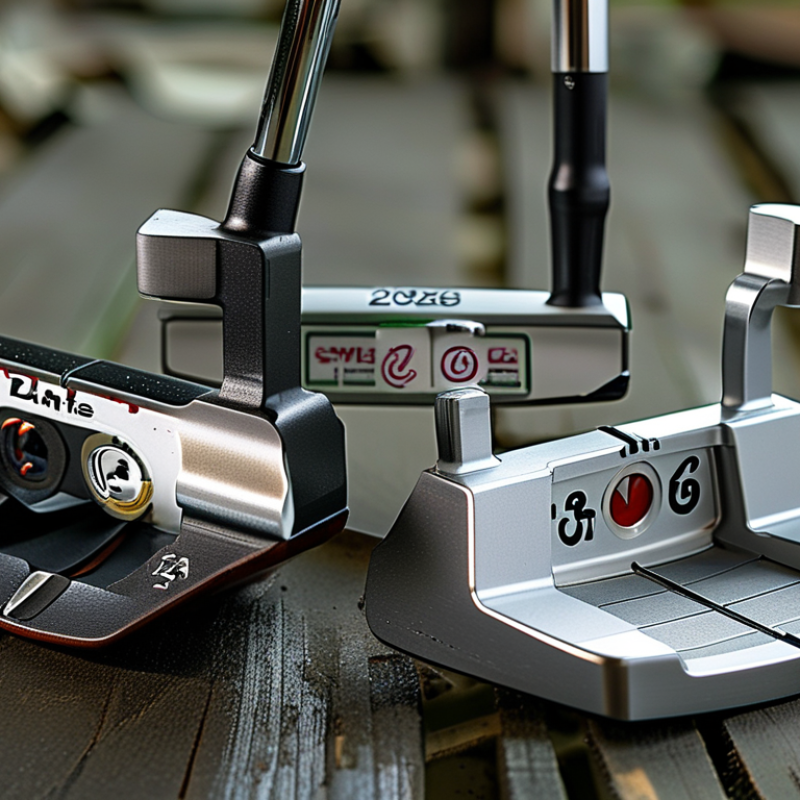
Blade putters suit players with a compact arc and strong face control. Their narrow shape offers useful feedback on off-center strikes. Toe-hang designs can support moderate face rotation.
Mallet putters provide higher stability and clearer alignment lines. They often suit straight-back, straight-through strokes. A face-balanced model may reduce unwanted rotation during impact.
Center-shafted designs can help players who prefer a square address position. However, appearance still matters. A technically suitable head may feel wrong behind the ball.
Tips: Test each type from three distances: two metres, five metres, and ten metres. Watch starting direction, not only whether the ball drops. The R&A and USGA equipment research emphasizes consistency and performance measurement, yet personal fitting remains essential. Bring your current putter. Compare sound, balance, and face response. Indoor mats can hide poor distance control. Real grass reveals it. One imperfect fitting lesson may teach more than online specifications. My own caution: stability is not automatically better. Some golfers swing heavy mallets too slowly, then leave putts short. Fit the motion, not the trend.
How Putter Design Affects Alignment, Feel, and Accuracy
Choosing the best putter for 2026 begins with design, not decoration. Alignment lines, face balance, and head shape change how confidently golfers aim. The R&A and USGA Equipment Rules limit head dimensions and performance features, keeping fitting relevant across international markets. A mallet-style head can frame the target clearly, while a blade often offers simpler visual feedback. Neither shape guarantees accuracy.
Independent putting research by Mark Broadie, based on professional tour data, places five-foot conversion near 80 percent for elite players. At ten feet, the rate falls sharply, close to 40 percent. Small alignment errors matter. A putter aimed only one degree away can miss the intended starting line, especially on fast greens. Face insert material also changes sound and impact response. Softer materials may reduce harsh vibration, but some players lose distance feedback.
Testing should include straight putts, breaking putts, and long lag putts. Watch the first roll, not only the final result. Industry fitting guidance from the Golf Datatech equipment market reports shows continued consumer interest in customized golf equipment, but market popularity is not proof of personal fit. I have found that a visually attractive head can still feel unstable under pressure. That lesson is easy to overlook. Try several lie angles, shaft lengths, and grip sizes before deciding. The best design is the one that produces a repeatable start line and a trustworthy response.
Design tendencies vary by head shape: high-MOI mallets generally provide stronger alignment assistance and off-center stability, while blades usually offer more face-rotation freedom and clearer impact feedback. Mid-mallets provide a balanced compromise. Scores use a five-point design-tendency scale, not brand performance ratings.
Global Buying Factors: Price, Availability, Warranty, and Fit
For global buyers, the best putter for 2026 is not automatically the most expensive model. Price should match construction, alignment clarity, and local support. In my fitting experience, a stable head helps players who miss slightly toward the toe. A compact design may suit golfers who prefer a cleaner view. Test the putter from three distances: four feet, ten feet, and thirty feet. Notice face control, sound, and how quickly the ball starts rolling. Small details matter.
Availability can change by country, especially for left-handed options, unusual lengths, or replacement grips. Check regional stock before paying. A lower price means little if shipping takes six weeks or import charges appear later. Warranty terms deserve equal attention. Confirm coverage length, proof-of-purchase rules, and the service address. Some warranties exclude grip wear or cosmetic marks. That is fair, but unclear wording should make you pause. I have seen buyers choose a bargain, then struggle to obtain a simple lie adjustment. My preference changed after that mistake: dependable service now matters more than a small discount.
Tips: Measure your wrist-to-floor distance, but do not trust the number alone. Let a fitter check posture, eye position, and stroke path. Compare at least two lengths on a real green. Ask whether spare grips and head covers are available locally. Record the final price, delivery time, and warranty contact before ordering. Take photos of the serial label. It sounds fussy. It can prevent an expensive misunderstanding.