How to Choose the Best Zooming LED Headlamp in 2026?
Choosing the Best Zooming Led Headlamp in 2026 requires more than comparing lumen numbers. A reliable headlamp must balance beam distance, flood coverage, runtime, comfort, weather resistance, and control design. Grand View Research identifies outdoor recreation and workplace safety as major forces supporting the global headlamp market. This trend matters because users now expect one compact light to serve hiking trails, emergency repairs, camping, and close-range work.
The best selection process begins with verified performance data. ANSI/PLATO FL 1 testing provides a useful framework for comparing beam distance, runtime, impact resistance, and water resistance. However, marketing claims can still confuse buyers. A 1,000-lumen rating may describe a short burst, not sustained brightness. Check the measured runtime at practical outputs, such as 300 to 500 lumens. DOE solid-state lighting reports also emphasize efficiency, thermal control, and better LED reliability. These factors influence real performance inside a warm, enclosed headlamp.
Look for a smooth zoom mechanism that changes from a wide work beam to a focused trail beam. The adjustment should remain stable when walking, not slide inside a backpack. A headlamp weighing under 120 grams usually feels less tiring during long use, though balance matters more than weight alone. IPX4 may handle rain, while IPX7 offers stronger temporary water protection. Rechargeable batteries are convenient, but replaceable cells may be safer during extended trips.
No buying guide is perfect. Personal eyesight, weather, and terrain change the result. A careful 2026 comparison should test the light at night, not only trust a product page.
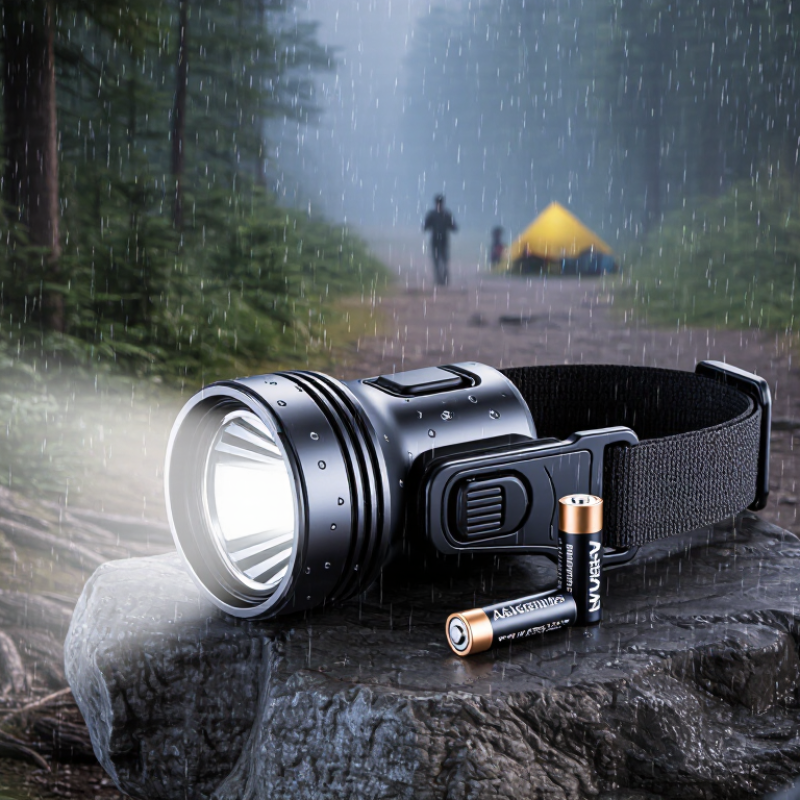
What Is a Zooming LED Headlamp and How Does It Work?
A zooming LED headlamp changes its beam by moving a lens or reflector around the LED emitter. Pulling the bezel forward usually creates a narrow spot. Pushing it back produces a wider flood beam. The light source stays the same. Only its distribution changes.
This distinction matters. Zooming does not magically increase lumen output. It concentrates existing light, often increasing candela and visible beam distance. A flood beam helps with nearby tools, while a spot beam reaches farther along a trail. ANSI/PLATO FL 1 measures beam distance at 0.25 lux and runtime until output falls to 10 percent. These definitions make product comparisons less confusing. Look for both lumens and candela.
The U.S. Department of Energy reports that LED lighting can use at least 75 percent less energy and last up to 25 times longer than incandescent lighting. However, a headlamp still loses energy through its driver, wiring, and heat. A compact model may feel bright for ten minutes, then dim quickly. I have found that real comfort can matter more than peak brightness. Check the headband, lens movement, switch, and battery access with gloves. Also inspect the ingress rating, impact rating, and regulated runtime. A higher number is not always better. Narrow beams can hide roots beside the path. Wide beams can waste power in open spaces. That trade-off deserves a second look.
How to Choose the Best Zooming LED Headlamp in 2026?
What Is a Zooming LED Headlamp and How Does It Work?
A zooming LED headlamp changes its beam angle by moving a lens or reflector. A narrow beam concentrates light for longer-distance viewing, while a wider beam illuminates a larger nearby area. The chart shows the calculated beam diameter at 10 meters using common optical beam angles and the formula D = 2 × distance × tan(angle ÷ 2).
Which Beam, Brightness, and Zoom Features Matter Most?
How to Choose the Best Zooming LED Headlamp in 2026?
A useful headlamp starts with the right beam, not the highest lumen number. A wide flood beam works well for cooking, repairs, and walking on uneven ground. A focused spot beam reaches farther across trails or large outdoor spaces. For mixed tasks, choose a smooth zoom system that changes gradually. Some inexpensive designs create dark rings or sharp edges when adjusted. That can become tiring after several minutes.
Brightness claims need careful reading. Lumens describe total light output, but candela better indicates concentrated distance. A 600-lumen lamp may illuminate nearby objects widely, while a lower-output spotlight can reach farther. Check the sustained brightness, not only the advertised peak mode. Heat often reduces output after a short period. I have found that a comfortable 200 to 400 lumens is enough for many repairs and walks. Maximum power is useful, but rarely necessary.
Zoom controls should be easy to operate with one hand, even while wearing gloves. A sliding bezel feels quick, but it may change position inside a backpack. A twist ring can hold its setting better, though it may require more effort. Look for clear mode steps, memory settings, and a battery indicator. Water resistance, balanced weight, and a secure top strap also matter. My own preference has changed after using heavier lamps; brightness seemed impressive, but neck fatigue arrived quickly. A reliable headlamp should provide steady light, predictable controls, and enough runtime for the task.
How to Select the Best Zooming LED Headlamp for Your Needs in 2026?
Choosing the best zooming LED headlamp starts with your actual routine, not the highest lumen claim. For trail walking, choose a wide flood beam for roots and nearby branches. A narrow beam helps when reading signs or scanning distant ground. Weight matters too; a heavy lamp can cause forehead pressure after one hour. I have learned this the uncomfortable way.
Grand View Research estimated the global headlamp market at about USD 1.1 billion in 2023, with continued growth through 2030. Market reports from Fortune Business Insights also identify outdoor recreation and workplace use as strong demand areas. These figures suggest broader choice, but they do not prove better performance. Compare measured runtime, beam distance, and brightness under ANSI/PLATO FL 1 testing. A lamp rated at 1,000 lumens may quickly reduce output to prevent overheating.
For wet trails, look for at least IPX4 protection; frequent rain or stream crossings may justify a higher rating. Select a rechargeable model for regular use, or replaceable batteries for long trips without power. Check the charging port, switch size, and strap adjustment while wearing gloves. Small details count. Zoom mechanisms can also collect grit, so a sealed design is preferable outdoors. Cold weather reduces battery performance, and published runtime often assumes ideal conditions. That limitation deserves more attention. A practical test at home remains useful: shine the lamp across a dark room, then wear it for thirty minutes before deciding.
How to Choose the Best Zooming LED Headlamp in 2026? - How to Select the Best Zooming LED Headlamp for Your Needs in 2026?
| Use Case | Recommended Beam Range | Suggested Brightness | Useful Zoom Type | Minimum Runtime | Recommended Battery | Protection Level | Important Selection Notes |
| Home Repairs | 1–20 m | 150–400 lumens | Short-throw flood to focused spot | 3 hours on medium output | Rechargeable lithium-ion or 3 AAA cells | IPX4 or higher | Choose a lightweight lamp with simple controls and a stable adjustable head. |
| Camping | 2–50 m | 250–600 lumens | Wide flood with adjustable spot | 6 hours on low or medium output | Rechargeable battery with USB-C charging | IPX5 or higher | Look for a red-light mode, battery indicator, lockout function, and comfortable headband. |
| Hiking and Trail Use | 3–100 m | 400–800 lumens | Smooth transition from flood to spot | 8 hours on low or medium output | Rechargeable lithium-ion, preferably replaceable | IPX6 or higher | Prioritize low weight, bounce-free straps, regulated output, and reliable weather sealing. |
| Running | 2–40 m | 200–500 lumens | Wide, low-glare flood beam | 4 hours at the selected running mode | Compact rechargeable battery | IPX4 or higher | Select a lamp with a secure top strap, rear visibility light, and minimal front weight. |
| Cycling | 5–120 m | 500–1,000 lumens | Focused beam with controlled side spill | 3 hours at high output | High-capacity rechargeable battery | IPX6 or higher | Check beam cutoff, helmet compatibility, vibration resistance, and charging-port protection. |
| Search and Rescue | 5–200 m | 800–1,500 lumens | Long-range spot with wide-area flood mode | 6 hours on operational output | Replaceable high-capacity lithium-ion pack | IPX7 or higher | Require dependable thermal management, regulated brightness, impact resistance, and emergency signaling modes. |
| Industrial and Maintenance Work | 1–80 m | 300–900 lumens | Adjustable flood and spot beam | 8 hours on low or medium output | Replaceable rechargeable battery or protected alkaline cells | IPX6 or higher | For hazardous locations, verify the required safety certification; also check gloves-friendly controls and impact resistance. |
Quick Selection Checklist: Compare measured runtime rather than maximum runtime, confirm the beam distance at the brightness level you will actually use, check the water-resistance rating, and select a battery system that matches the length and remoteness of your activities.