How to Choose the Right Putter for Your Golf Game?
Choosing the right putter can greatly influence your golf game. As renowned golf instructor Hank Haney once said, "The putter is your best friend on the green." His words remind us of the importance of this essential club. The putter is not just a tool; it's a critical component that can turn a frustrating round into a memorable one.
When selecting a putter, many factors come into play. The design, weight, and grip all matter deeply. A wrong choice can lead to inconsistency. Many golfers struggle with their putting. They often overlook how pivotal the right putter can be. Finding the perfect balance and style is a journey everyone should embark on.
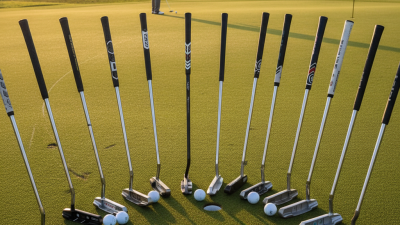
Take time to experiment with different putters. Practice with various models at your local course. Consider what feels natural in your hands. Don't shy away from asking for advice. Sometimes, the best insights come from other players. Remember, the right putter can make a difference. It might even change how you score on the green.

Understanding the Different Types of Putters and Their Features
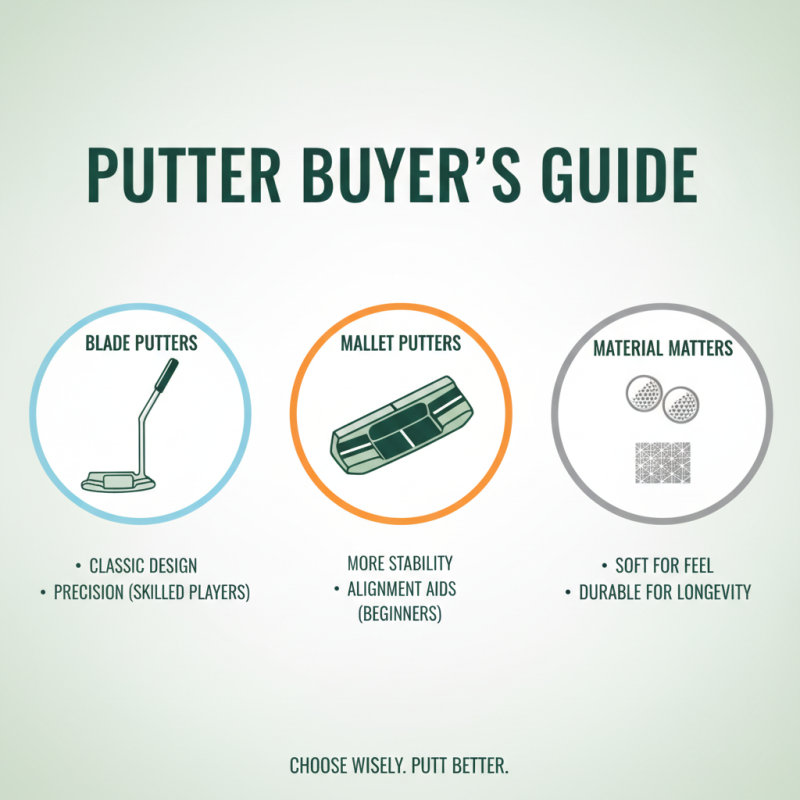
When it comes to choosing a putter, understanding the different types is crucial. There are various designs, each serving a unique purpose. Blade putters are classic and have a simple look. They offer precision for skilled players. Mallet putters, on the other hand, provide more stability. They often feature alignment aids that can help beginners. Material also matters; some putters use softer materials for a better feel, while others favor durability.
Consider the length of the putter too. It should correspond with your height and stance. For shorter players, a standard putter might feel unwieldy. Conversely, taller players may struggle with shorter models. Grip size is equally important, affecting your comfort and control. An ill-fitting grip can lead to inconsistency in your stroke.
Choosing the right putter isn't straightforward. It involves trial and evaluation. You might prefer a putter that feels good but doesn't perform well. Or you may find the perfect putter for your game suddenly feels awkward. Reflective practice is key; try different types and see what resonates with your style. The right putter ultimately boosts your confidence on the green.
Assessing Your Putting Style and Stroke Mechanics for Better Fit
Understanding your putting style is essential for effective gameplay. Research indicates that 40% of golfers don't match their putter style with their stroke mechanics. Evaluating your stroke can greatly affect your performance on the greens. Are you a straight back and straight through putter? Or do you favor an arcing motion? Knowing this can help you make a more informed choice.
Your hands' position plays a crucial role in stroke mechanics. A recent report highlighted that golfers with a forward press have different needs than those who adopt a neutral stance. If you lean too far forward, consider a putter with a more upright lie angle. Conversely, if you have a more relaxed posture, a flatter design may suit you better. These details matter and can impact your accuracy.
Take time to reflect on your past putting experiences. Did you struggle with distance control? Maybe the putter’s weight was not ideal for your grip style. Statistics show that 70% of golfers fail to adjust their putter length and lie angle according to their individual mechanics. Small changes can lead to significant improvements. Test different options when you have the chance, and be open to feedback. Ultimately, finding a putter that complements your natural style can enhance your overall game.
Materials and Design: Analyzing Weight and Balance in Putters
When selecting a putter, materials and design are critical considerations. The weight of the putter influences its feel and control. Heavier putters can provide stability during your stroke. Light weight can enhance speed and touch on the green. Finding the balance between these factors is essential.
The balance point of a putter affects your stroke path. A well-balanced putter can help maintain a straight and consistent stroke. Testing different weights can reveal personal preferences. Many golfers overlook this aspect. It’s important to reflect on how each putter feels in your hands.
Experimenting with different materials is also worth considering. For instance, some putters use softer materials for enhanced feel. Others opt for harder surfaces for durability. Each option impacts how the ball rolls. Reflect on your game and notice what feels best during practice sessions. It's all about personal comfort and control.
Choosing the Right Putter: Weight and Balance Analysis
Custom Fitting: Importance of Length, Grip Size, and Loft Angle
Choosing the right putter is crucial for any golfer. Custom fitting plays a significant role in this process. Three key factors to consider are length, grip size, and loft angle. These components can greatly influence your putting performance.
Length affects your posture and stance. A putter that's too long or too short can lead to discomfort. You might find yourself bending awkwardly, impacting your stroke. Grip size ensures you have a comfortable hold. A grip that’s too thick may hinder your touch, while one that's too thin can slip during a swing.
Loft angle is often overlooked but vital. It influences the ball's roll and trajectory. A higher loft can help in lifting the ball off the ground, while a lower loft offers a more direct path. It’s easy to underestimate these factors. Mistakes in fitting can lead to frustration on the green. Taking the time to customize your putter is worth the effort. It can also help you discover preferences you didn't know you had. Golf is a journey, and every detail matters.
Trial and Error: Testing Putters Before Making a Final Decision
Choosing the right putter can make a significant difference in your golf game. However, finding that perfect fit often requires some trial and error. Testing various putters allows you to understand what feels comfortable and helps you maintain accuracy on the green. It's essential to experiment with different weights and lengths. Don't be afraid to try odd shapes. Sometimes, the most unexpected design might work wonders for you.
When testing putters, pay attention to how the grip feels. A comfortable grip can enhance your control. Try multiple grips to see what fits your hand the best. Take a few putts from different distances. This practice gives insight into your putting stroke. You might discover that you consistently struggle with a specific putter or method.
Don't rush the decision. Write down your thoughts for every putter you test. Reflect on what worked and what didn't. This process can lead to surprising realizations. Sometimes, the putter that initially feels great may not hold up under pressure. Focus on finding a putter that inspires confidence, even if it takes longer than expected. Let your own experience guide you.
How to Choose the Right Putter for Your Golf Game? - Trial and Error: Testing Putters Before Making a Final Decision
| Putter Type |
Length (inches) |
Weight (grams) |
Loft (degrees) |
Best Suited For |
| Blade |
34 |
320 |
3 |
Control Players |
| Mallet |
35 |
340 |
2 |
Forgiveness Seekers |
| High MOI |
34 |
360 |
3 |
Stability Seekers |
| Center Shafted |
33 |
330 |
2.5 |
Straight Stroke Players |