What is a Golf Club Set Understanding Types Features and Benefits
In the world of golf, the right equipment can make all the difference in a player's performance and enjoyment of the game. A well-curated golf club set is essential not only for novice players learning the ropes but also for seasoned golfers seeking to refine their skills. According to renowned golf expert, Tom Wishon, "A well-fitted golf club set can drastically improve a golfer's accuracy and overall game." His insights highlight the importance of understanding the different types of clubs, their features, and how they can benefit players of all levels.
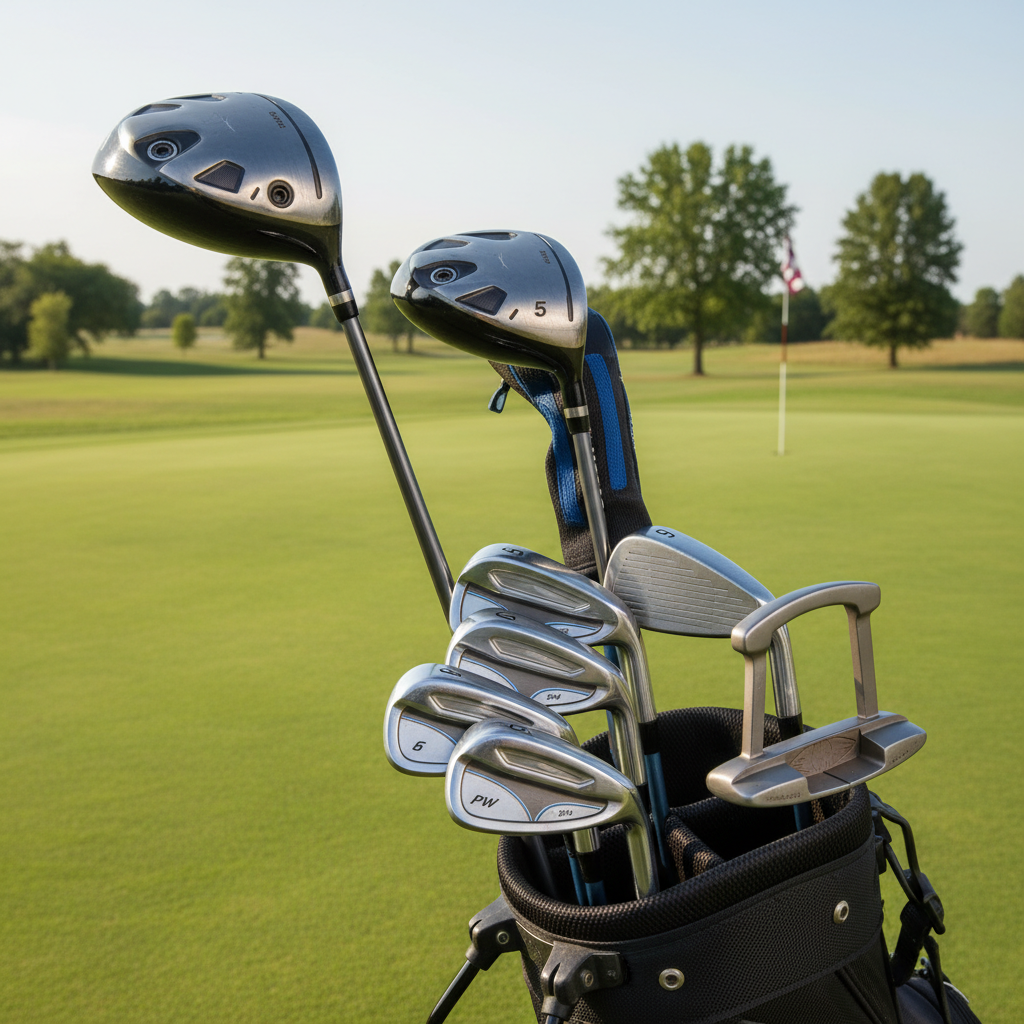
Golf club sets are not one-size-fits-all; they come in various configurations tailored to address the unique needs of every golfer. Understanding the essential components of a golf club set—including drivers, irons, wedges, and putters—can help players make informed decisions when selecting their equipment. Each type of club serves a specific purpose on the course, and knowing the advantages of each can lead to a more successful and enjoyable golfing experience.
In this exploration of golf club sets, we will delve into the different types, key features, and various benefits they offer. Whether you are aiming to improve your swing, enhance your distance, or simply elevate your game, comprehending the intricacies of a golf club set is crucial for achieving your golfing goals.

Understanding the Composition of a Golf Club Set
When exploring a golf club set, understanding its composition is crucial for golfers of all skill levels. A standard golf club set typically consists of 14 clubs, adhering to the regulations set by the USGA. These clubs can be categorized into woods, irons, wedges, and putters, each serving specific purposes on the course. According to a report by the National Golf Foundation, most players carry a mix of clubs to effectively tackle different situations, with 51% of golfers using a combination of their putters and wedges most frequently.
Woods are primarily used for long-distance shots, while irons are essential for precision strikes from various lies. The introduction of hybrid clubs has further diversified sets, as they combine the best features of woods and irons, offering versatility. In fact, the same report notes that hybrid clubs have gained significant popularity, with a 10% increase in usage among golfers in recent years. These insights underscore the importance of understanding the features and benefits of each club type, as selecting the right composition can enhance a player's performance and enjoyment on the course.
Types of Golf Clubs: An Overview of Each Type
When exploring the types of golf clubs, it’s essential to understand the core categories: woods, irons, hybrids, and putters. Each type serves a distinct purpose on the course, catering to various aspects of gameplay. According to the National Golf Foundation, nearly 40% of golfers prefer using hybrid clubs, primarily due to their versatility and ease of use, which can enhance a player's confidence, particularly on longer shots.
Woods, typically used for long-distance shots off the tee, feature larger clubheads and longer shafts, aiding in generating higher clubhead speeds. Recent statistics indicate that around 60% of golfers use a driver, demonstrating its crucial role in the game's early stages. Irons, usually categorized from 3 to 9, allow for more precise control, making them indispensable for approach shots. The diverse lofts and lengths mean players can select clubs based on the distance and lie of the ball, providing strategic depth to their game. Meanwhile, putters are crucial for the final strokes, with almost 80% of shots occurring on the green, highlighting the importance of having a well-suited putter to improve accuracy and reduce the number of strokes taken.
Key Features of Different Golf Clubs
When exploring the various types of golf clubs, it is essential to understand the key features each club offers. Drivers, the longest clubs in a golf bag, are designed for distance. They typically have a large head and a low center of gravity, enabling golfers to achieve maximum speed and distance off the tee. Their aerodynamic design also plays a crucial role in minimizing drag during the swing, making them a fundamental choice for any golfer aiming for long drives.
Irons, on the other hand, are versatile tools designed for accuracy and control. With their thinner club heads and various loft angles, they allow players to execute a wide range of shots on the fairway and greens. The unique feature of cavity-back irons provides forgiveness on off-center hits, making them suitable for golfers of all skill levels. Additionally, wedges, a subset of irons, feature higher lofts and are perfect for short, precise shots around the green. Their design focuses on spin and loft, enabling golfers to control their approach and execute delicate shots with ease. Each type of club serves a distinct purpose, catering to different aspects of the game while enhancing a player's overall performance.
What is a Golf Club Set Understanding Types Features and Benefits - Key Features of Different Golf Clubs
| Club Type |
Description |
Key Features |
Benefits |
| Driver |
The club used for the first stroke on par 4 and par 5 holes. |
Large clubhead, low loft, and designed for maximum distance. |
Provides maximum distance off the tee with higher accuracy. |
| Fairway Woods |
Used for long-distance shots from the fairway. |
Shallow clubface, higher loft than drivers, versatile for various lies. |
Allows for good distance while providing more control than drivers. |
| Irons |
Clubs designed for approach shots and short game play. |
Different numbers (3-9) indicating loft, forged or cast designs. |
Provides accuracy and distance control for approach shots. |
| Wedges |
Specialized irons for short-distance and elevated shots. |
High loft, options like pitching, sand, and lob wedges. |
Excellent for short game skills such as chipping and bunker play. |
| Putter |
Used on the green to roll the ball into the hole. |
Flat clubface, various styles like blade and mallet. |
Essential for putting; provides precision and touch for short distances. |
Benefits of Using a Complete Golf Club Set
A complete golf club set offers numerous advantages for both novice and experienced players. One of the primary benefits is the consistency it provides. When using a full set from the same manufacturer, golfers can expect similar feel and performance across their clubs. This uniformity helps players develop a better understanding of their swing and shot-making, ultimately improving their overall game. Additionally, a complete set often includes a variety of clubs designed for different situations, ensuring that golfers are well-prepared for any course or condition.
Another significant advantage of using a full golf club set is the cost-effectiveness. Purchasing a complete set is typically more economical than buying individual clubs separately. Golfers can save money while also ensuring that they have all the essential clubs required for a successful round. Moreover, many manufacturers bundle accessories such as bags, headcovers, and additional gear with their sets, enhancing the overall value and convenience of the purchase. This holistic approach allows players to focus more on improving their skills rather than worrying about mismatched equipment.
Benefits of Using a Complete Golf Club Set
Choosing the Right Golf Club Set for Your Skill Level
Choosing the right golf club set for your skill level is crucial for maximizing your performance on the course. Beginners should look for a complete set that includes a driver, a few woods, irons, a putter, and a couple of wedges. These sets are often designed with forgiving features, making it easier to achieve better contact with the ball and improve overall consistency. Lightweight materials and larger clubheads can help new golfers feel more comfortable and confident.
Intermediate players might benefit from a more tailored approach. At this stage, golfers should consider mixing and matching clubs to suit their playing style and preferences. Investing in individual clubs that offer enhanced control and precision can lead to improved play. It's important to evaluate specific features like shaft flex, grip size, and club length, which can further enhance performance for those looking to refine their skills. By selecting a set that aligns with their current level, golfers can better navigate the nuances of the game and continue progressing.