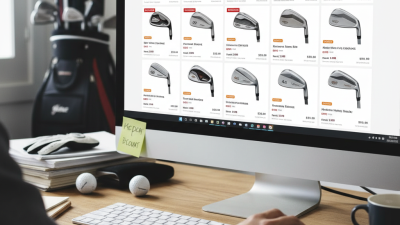
Sourcing discount golf clubs from global suppliers can reduce purchasing costs, but low prices never tell the whole story. Freight, customs, quality control, packaging, and warranty handling can quickly change the final cost. A club that looks inexpensive online may become costly after shipping and inspection.
Tom Wishon, a respected golf-club designer and club-fitting authority, has emphasized, “There is no such thing as a standard golf club.” This principle matters when evaluating discount golf clubs. Loft angles, shaft flex, grip size, head weight, and production tolerances can influence player performance. A reliable supplier should provide clear specifications, recent product photographs, test samples, and traceable company information. Avoid vague listings that only show polished images and broad promises.
The sourcing process should compare more than unit prices. Request a sample order first. Check the clubhead finish, grooves, shaft alignment, grip condition, and packaging strength. Ask about minimum order quantities, replacement policies, inspection options, and delivery timelines. Calculate the landed cost before negotiating volume discounts. Small details matter.
No checklist is flawless. Supplier records can change, and product quality may vary between batches. That is why written specifications and independent inspections remain valuable. Buyers should also confirm that branding, patents, product claims, and import requirements are handled lawfully. A patient approach usually protects both margins and customer trust. The goal is not simply to find the cheapest golf clubs. It is to find consistent, playable, and responsibly supplied products at a defensible price.

Before contacting global suppliers, define exactly what “discount” means for your golf club project. Set a target landed cost, not only the factory price. Include production, packaging, freight, duties, inspection, and possible rework. Specify club type, loft range, shaft material, flex, grip size, finish, and acceptable cosmetic marks. A clear specification prevents vague quotations and hidden quality compromises.
Describe your buyer and expected use. A beginner set may prioritize forgiveness and durability, while experienced players may demand tighter weight and loft tolerances. Request measurable standards, such as swing-weight range, lie-angle tolerance, and shaft alignment. Ask for material declarations, test reports, and quality-control procedures. Samples are essential. Photos can mislead. I once underestimated packaging strength, and several heads arrived with scratched finishes. That mistake changed how I evaluate suppliers.
Tips: Prepare a one-page sourcing sheet with drawings, quantities, delivery windows, and inspection criteria. Request two samples from different production batches when possible. Compare actual weight, finish, grip comfort, and performance. Keep a small allowance for defects, because perfect yield is unrealistic. Confirm payment terms, production capacity, carton dimensions, and shipping responsibility in writing. Do not choose the lowest quote automatically. A cheaper club can become expensive after rework, delays, or customer complaints. Recheck your requirements after testing, because your first specification may be incomplete.

Research and Compare Global Golf Club Suppliers
Finding discounted golf clubs starts with disciplined supplier research, not the lowest online quotation. I compare at least five suppliers using the same request sheet. It includes club material, loft, lie angle, shaft flex, grip size, minimum order, production time, and packaging details. Clear specifications make quotations easier to compare.
I request samples before discussing large orders. A sample reveals alignment, paint quality, grip firmness, and shaft consistency. I also ask for inspection records, factory photographs, business credentials, and product testing documents. Reliable suppliers answer specific questions without avoiding uncomfortable details. Their delivery history should be checked through references or independent trade records.
My first comparison focused too heavily on unit price. That was a mistake. Freight, sample fees, customs charges, and replacement policies changed the real cost. Now I use a simple scorecard covering quality, communication, lead time, payment security, and after-sales support. A supplier with a slightly higher price may reduce costly defects. Still, documents are not proof of perfect performance. I test multiple clubs from each production batch and record the results. Small differences in swing weight or shaft flex can affect player experience. I also review supplier performance after every shipment, because one successful order does not establish long-term reliability.
Discount golf clubs can look attractive on a global marketplace, but a low price proves very little. Supplier verification should begin before discussing volume. Request a registered business name, factory address, production history, and current contact details. Check whether the company manufactures clubs or simply resells mixed inventory. A live factory video can reveal useful details, such as shaft storage, clubhead finishing, and inspection areas. It is not perfect evidence, though.
Tips: Order samples from different production batches. Measure loft, lie angle, shaft flex, grip size, and total weight. Compare these results with the supplier’s specification sheet.
Inspect grooves under bright light for uneven edges or rough machining. Ask for material declarations and independent test reports when available. Confirm packaging strength with a simple drop test. Also review labeling, invoices, and import documents for your destination market. Small paperwork gaps can create expensive delays.
Product standards need written acceptance criteria, not friendly promises. Include tolerance ranges for head weight, face angle, paint finish, and shaft alignment. Ask how rejected clubs are separated and recorded. A reliable supplier should explain corrective actions with photos or inspection records.
I once underestimated packaging quality, and several grips arrived scratched. The clubs were usable, but the customer experience suffered. That mistake changed my process: quality checks must cover transport, not only factory output. Keep communication clear, save inspection evidence, and reassess suppliers when their answers become vague.
How to Source Discount Golf Clubs from Global Suppliers?
A low unit price can hide expensive mistakes. Compare at least three supplier quotations, then calculate the landed cost. Include product price, packaging, inspection, insurance, duties, and inland delivery. The National Golf Foundation reported 28.1 million on-course golfers in the United States during 2023. That demand creates buying opportunities, but excess inventory is not automatically good inventory.
Negotiate by separating price from terms. Ask for tiered pricing at 50, 200, and 500 units. Request clear specifications for loft, shaft flex, grip condition, and tolerance levels. My first quote looked cheap. It excluded replacement heads and export packing. A written quality agreement should define sample approval, inspection timing, and remedies for defects. Payment terms also matter. A smaller deposit and balance after inspection can protect cash flow, although some suppliers may increase the price.
Shipping requires practical discipline. UNCTAD reports that maritime transport carries over 80% of global merchandise trade by volume. Compare FOB, CIF, and DDP quotations carefully, because each shifts costs and responsibilities differently. Confirm carton dimensions before booking freight; oversized cartons can raise charges sharply. Check customs classification and import requirements with a licensed broker. The World Bank’s 2023 Logistics Performance Index also shows major differences in customs efficiency and infrastructure between markets. Reliable delivery is rarely the cheapest option. Build a buffer for port delays, currency movements, and seasonal congestion. A perfect forecast is impossible. A documented fallback plan is not.
Typical planning benchmarks for moving supplier orders internationally. Actual lead times depend on origin, destination, customs clearance, consolidation, and seasonal capacity.
Use ocean freight for the lowest unit cost on larger orders, rail for a balance between cost and speed where available, and air or express services for samples, urgent replenishment, or small shipments. Confirm Incoterms, freight charges, insurance, customs duties, and delivery responsibilities before negotiating the final price.
Sourcing discount golf clubs from global suppliers requires more than finding a low unit price. Begin with paid samples from two or three factories. Check the clubhead finish, shaft flex, lie angle, grip size, and total weight. Record every measurement in a shared specification sheet. A sample can look excellent in photographs but feel unstable during a real swing. Test it on a range, not only indoors.
Once the sample passes, attach its photos and measurements to the purchase order. State acceptable tolerances for weight, loft, paint, and packaging. Confirm production dates, payment stages, and replacement terms in writing. Request a pre-production sample before mass manufacturing. It may delay the order slightly. That delay can prevent hundreds of inconsistent clubs. Keep communication clear, because small wording differences can create expensive mistakes.
Customs documents deserve the same attention as product quality. Ask for a commercial invoice, packing list, country of origin, and accurate tariff classification. Verify duties and import requirements with a licensed customs professional. Never rely on a supplier’s estimate alone. Before shipment, arrange an independent inspection during production or before loading. Inspect a defined quantity and photograph defects beside a measurement tool. I once trusted a final carton count without checking inner packaging. The quantity was correct, but several grips were damaged. A checklist helps, though it cannot replace judgment. Review inspection results before releasing the balance payment.
| Stage | Data Dimension | Recommended Specification | Reference Data | Control Point |
|---|---|---|---|---|
| Supplier Screening | Supplier location | Compare production capability, export experience, lead time, and logistics access. | Shortlist 3–5 suppliers from at least 2 manufacturing regions. | Verify company registration, factory address, export history, and product certificates. |
| Minimum order quantity | Request separate quantities for standard products, customized products, and mixed models. | Typical planning range: 50–300 units per model, depending on customization. | Confirm whether the quantity applies per model, loft, shaft type, or total order. | |
| Quotation basis | Obtain itemized pricing for product, packaging, tooling, customization, and delivery. | Compare EXW, FOB, and DDP quotations using the same specifications. | Check currency, quotation validity, payment terms, and included services. | |
| Payment terms | Use milestone-based payments tied to production and inspection approval. | Common structure: 30% deposit and 70% balance before shipment. | Avoid paying the full amount before sample approval and final inspection. | |
| Sample Management | Sample quantity | Order samples representing the intended club head, shaft, grip, loft, finish, and packaging. | Request 2–3 samples per key model or configuration. | Keep one approved sample as the production reference and one for independent testing. |
| Sample cost | Separate sample fees from tooling fees and refundable order deposits. | Sample charges may include product cost, setup cost, and international freight. | Confirm refund conditions in writing before placing the sample order. | |
| Performance checks | Evaluate loft, lie, face angle, swing weight, shaft flex, grip size, and finish. | Measure a defined sample set and record results against approved tolerances. | Use calibrated tools and document deviations with photos and measurements. | |
| Approval record | Create a signed specification sheet with drawings, measurements, materials, and photos. | Approval status: pending, approved with revisions, or approved for production. | Do not start mass production until all critical specifications are approved. | |
| Order Planning | Product mix | Group orders by club type, loft, shaft material, flex, handedness, and grip size. | Use a purchase order matrix with a separate line for every configuration. | Reconcile the matrix with carton labels and commercial invoice descriptions. |
| Production lead time | Confirm material availability, production capacity, inspection date, and dispatch date. | Planning range: 25–60 calendar days after specification approval. | Add buffer time for rework, port congestion, holidays, and documentation delays. | |
| Packaging configuration | Specify individual protection, carton dimensions, packing quantity, and moisture control. | Record units per carton, gross weight, net weight, and carton measurements. | Conduct a drop and movement review for long-distance transport risks. | |
| Shipment method | Select ocean, air, rail, or courier transport according to urgency and shipment volume. | Ocean freight usually offers lower unit cost; air freight usually offers shorter transit time. | Compare landed cost rather than freight cost alone. | |
| Customs and Documents | Product classification | Confirm the correct customs classification for golf clubs, components, or sets in the destination market. | Classification may differ according to complete clubs, shafts, heads, or accessories. | Validate the tariff code with a customs broker before shipment. |
| Commercial invoice | Include accurate product descriptions, quantities, unit values, total value, currency, and Incoterms. | Descriptions should match the purchase order, packing list, and shipping labels. | Avoid vague descriptions such as “sports goods” when detailed descriptions are required. | |
| Import charges | Estimate duties, import tax, brokerage, port charges, inspection fees, and inland delivery. | Use a landed-cost worksheet before comparing supplier quotations. | Do not assume a low factory price equals a low final cost. | |
| Required documents | Prepare commercial invoice, packing list, transport document, origin information, and any required declarations. | Document package should be completed before cargo departure. | Cross-check names, quantities, weights, values, and addresses across all documents. | |
| Quality Control | Incoming material inspection | Inspect shafts, grips, club heads, coatings, ferrules, and packaging materials before assembly. | Use approved material samples and a defect classification guide. | Quarantine nonconforming materials and record corrective action. |
| In-process inspection | Check assembly alignment, bonding, grip installation, shaft insertion, and surface finish. | Inspect at defined production milestones rather than only at the end. | Track recurring defects by production batch and workstation. | |
| Final inspection | Verify appearance, dimensions, quantity, labeling, packaging, and functional specifications. | Use a statistically based sampling plan appropriate to order size and risk. | Release payment only after the agreed inspection criteria are met. | |
| Defect handling | Define acceptable, minor, major, and critical defects before production begins. | Set written remedies such as rework, replacement, credit, or partial refund. | Keep inspection reports, photos, batch numbers, and communication records. | |
| Landed Cost Review | Unit landed cost | Calculate product, tooling, packaging, freight, insurance, duties, tax, brokerage, and delivery. | Landed cost per unit = total import cost divided by sellable units received. | Include expected defect loss and currency fluctuation in the planning model. |
| Order profitability | Compare landed cost with target selling price, marketplace fees, storage, and after-sales cost. | Review gross margin by model rather than using one average margin for the full order. | Remove low-margin configurations or renegotiate their specifications. | |
| Reorder threshold | Set reorder points using sales velocity, production lead time, and safety stock. | Review inventory and supplier performance monthly. | Use actual defect rates, delivery performance, and customer returns to adjust future orders. |
Presidio Golf Course
300 Finley Road @ Arguello Gate
San Francisco 94129
P: 415.561.4661
MAP IT