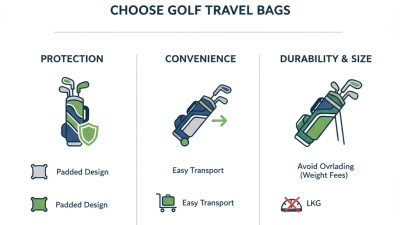
10 Tips for Buying the Best Golf Bags
A golf bag can look impressive in a product photo and still feel awkward after nine holes. The best golf bags are not simply the lightest or the most expensive. They suit the way you actually play, carry, and store your clubs. A walking golfer may value a padded dual strap and a stable stand. Someone who rides in a cart may care more about pocket access and a secure base. Neither choice is automatically better.
Before comparing styles, consider what you carry on an ordinary round. Count your clubs, balls, rain layer, water bottle, and small essentials. Then check whether the dividers keep club handles from tangling and whether pockets open easily when the bag is strapped down. Feel the empty weight, too; a few pounds can matter over hilly ground. Look closely at zippers, seams, strap adjustment, and the stand legs. These details are easy to miss online.
Small things matter.
Weather protection, storage space, and fit in your car trunk can shape everyday satisfaction more than flashy extras. If possible, try lifting the bag and reaching into its pockets before buying. Reviews can help, but playing conditions and body comfort vary. A feature praised by one golfer may frustrate another. No checklist makes the decision perfect, and I would not pretend otherwise. These ten tips offer a practical way to compare options, spot trade-offs, and choose a bag that feels dependable through a full round.

Define Your Golf Bag Needs and Playing Style
A golf bag should fit the round you actually play, not an imagined perfect setup.
Count your clubs, rangefinder, water, rain layer, and snacks before shopping. If you walk nine holes after work, a light stand bag may beat a large cart model. If you ride often, stable bases and accessible storage may matter more than shoulder padding. Small distinction. The National Golf Foundation’s 2023 participation report counted 26.6 million U.S. on-course golfers, while total golf engagement also includes off-course formats.
That variety makes your schedule more useful than a generic “best bag” list. Do you carry every club, or leave a few at home? Do you practice at a range, play wet mornings, or share a cart? Each answer changes what deserves space. Check strap comfort with a realistic load, and test whether pockets open without removing the bag. Look at stand stability on sloped grass, zipper access, and how the bag sits on your usual cart. Be honest about unused gear; extra compartments can become storage for things you never touch. Needs can change, too.
Compare Bag Types and Carrying Options
Golf bags differ most in how they balance storage and effort.
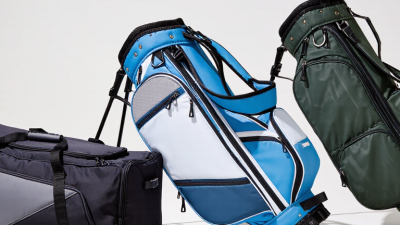
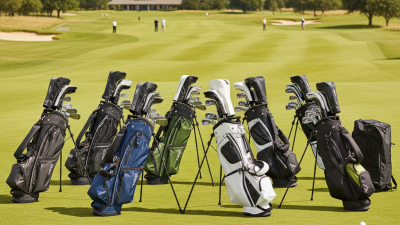
A carry bag keeps weight low and usually has a stand for quick access on firm ground. It suits walkers bringing a few balls, a rain layer, and a water bottle. But full pockets can make even a light bag feel awkward after nine holes. Lift it with clubs inside, not empty.
A Sunday bag is lighter, with less room and little structure. It works for short rounds or practice, though a bulky jacket may not fit. Cart bags offer wider pockets and stable bases, but are made to ride on a push cart or golf cart. Check whether the zippers stay reachable when the bag is strapped in. Staff bags hold more and protect clubs well, yet their size can be tiring to handle. Choose dual shoulder straps for walking, or a cart-friendly base for riding. Fit matters. Adjust the straps, then walk several minutes with your usual set. A side pocket packed with accessories can pull the bag off balance, a trade-off that is easy to miss in a shop. For mixed rounds, a stand bag with dual straps may be a sensible compromise, though no design feels perfect on every course.
Assess Storage Capacity and Club Organization
A golf bag should hold your usual gear without turning every walk into a search. Count the clubs you carry, then check the divider layout. Full-length dividers can reduce shaft tangles, while a dedicated putter well keeps a thick grip from crowding other clubs. Try this. Load your longest club and putter into the bag before buying, if possible. Some openings look roomy but feel cramped once oversized grips are in place.
Storage needs vary by course and weather. Lay out the items you actually bring: balls, tees, a water bottle, a light rain layer, and perhaps a rangefinder. Check whether the pockets fit them without pressing against the club openings. Quick-access pockets are handy for tees and a scorecard; valuables belong in a secure, lined pocket. More pockets do not always mean better storage. They can add weight, and small compartments may be awkward to use. A useful test is to pack the bag as you would for a round, then lift it and retrieve your most-used items. The perfect layout is hard to judge in a shop. Your habits may change, too, so leave a little room rather than buying capacity you will rarely use.
10 Tips for Buying the Best Golf Bags: Assess Storage Capacity and Club Organization
Compare divider layouts to find the level of club separation that suits your routine. Divider count describes the bag’s organization—not how many clubs you may carry.
How to use this: A 4-way layout offers broader sections, while a 14-way layout separates clubs individually. Check that the dividers run the full length of the bag if you want to reduce club tangling. Under the Rules of Golf, a player may carry no more than 14 clubs during a round.
Check Comfort, Materials, and Weather Protection
A golf bag should feel balanced when loaded, not merely comfortable on a shop floor. The National Golf Foundation’s 2024 Golf Participation Report counted 26.6 million U.S. on-course golfers in 2023; frequent rounds make fit and durability practical concerns. Try the bag with clubs, balls, and a full water bottle inside. Walk a few steps. Check whether straps spread pressure across your shoulders, padding stays put, and the top edge avoids your neck. A stand bag should open steadily on a slope, too. Small details matter. I’d be cautious about judging comfort by padding thickness alone; strap shape and load balance can matter more.
Inspect fabric, seams, zippers, and the rain hood, not just the outer coating. “Water-resistant” does not necessarily mean waterproof, especially at stitched seams. The U.S. EPA’s Climate Change Indicators report found very heavy precipitation increased 55% in the Northeast and 42% in the Midwest from 1958 to 2016. That is a regional trend, not a forecast for your next round, but it supports checking real rain protection. Look for a snug hood, covered pockets, and zippers that do not catch. A fully waterproof build may add weight, so compare it with your usual conditions. I still find this trade-off easy to misjudge. Test the bag with wet-weather layers, and check whether damp fabric dries without trapping moisture inside.
Evaluate Durability, Features, and Overall Value
10 Tips for Buying the Best Golf Bags
Tip 1: Check the stitching, zippers, and base before comparing extras. A bag may look sturdy but still wobble when loaded. Tip 2: Consider how you play. Walkers often value padded straps and a balanced carry, while cart users may prefer secure attachment points. Lift the bag if possible. Feel matters.
Tip 3: Test the pockets with items you actually carry, such as a rangefinder, gloves, and a water bottle. Make sure zippers open easily and pockets remain reachable when the bag is strapped down. Tip 4: Look for useful details, not the longest feature list. A stable stand, a towel loop, and a protected valuables pocket can earn their space. More pockets are not always better.
Tip 5: Compare weight, capacity, and price together. A very light bag may have less padding; a feature-packed model may feel cumbersome on a long walk. Tip 6: Check care instructions and warranty terms, then inspect the bag in person when you can. Small flaws are easy to miss online. I once focused too much on storage and overlooked an awkward strap adjustment. It was a minor annoyance, but it changed how I judged value. A good choice should suit your routine and feel dependable, not merely impressive on paper.