7 Tips for Buying the Best Hybrid Golf Clubs?
Choosing the right hybrid golf clubs can change how confidently you approach difficult shots. These clubs may replace long irons, bridge distance gaps, or rescue a ball from thick rough. However, a promising model is not automatically the best choice for every golfer.
A practical buying decision starts with your real playing conditions. Consider your typical distance, swing speed, launch height, and miss pattern. A launch monitor can reveal whether a club produces useful carry or only impressive numbers. Check the loft carefully, because two hybrids with similar labels may create different gaps. Shaft weight, flex, grip size, and lie angle also affect control. Small differences matter.
Try them from several lies, not only a perfect driving-range mat. Hit shots from tight turf, light rough, and uneven ground when possible. Notice the sound, face stability, and stopping power. Seven useful tips will guide the process: assess your distance gaps, match the loft, choose a suitable shaft, test forgiveness, compare adjustability, inspect turf interaction, and judge overall value. Brand reputation helps, but personal testing remains more reliable.
There is no flawless hybrid.
I once preferred a club because it felt powerful, then discovered it launched too low for my usual greens. That mistake was useful. It showed me that comfort and performance must agree. An honest fitting session, preferably with a qualified professional, can prevent expensive guesswork. The best hybrid golf clubs should solve a clear problem in your bag, not simply add another attractive option.
Define Your Need: Replace Long Irons Within the 14-Club Limit
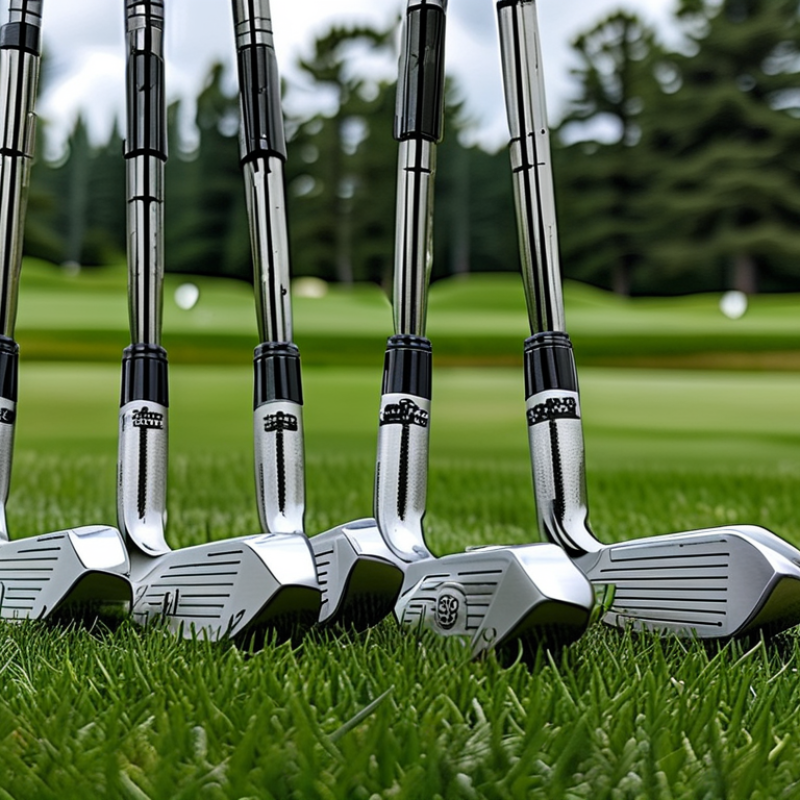
Before buying a hybrid, define the job it must perform. Under the 14-club limit, it should replace a long iron, not simply add another option. A 4-hybrid may cover the distance of a 4-iron, but it usually launches higher and lands more softly. Check your actual carry distance, not the number printed on the club. A launch monitor or careful range session can reveal a 15-yard gap you did not expect.
Pay attention to loft spacing between your longest iron, hybrid, and fairway wood. Two clubs with similar lofts can still produce different distances because of shaft length and head design. Test shots from tight fairway grass, light rough, and uneven lies. A hybrid that feels excellent from a mat may behave differently on damp turf. Shorter rough can expose poor contact quickly.
I once chose a hybrid by its distance alone and ignored its tendency to pull left. That mistake made narrow fairways uncomfortable. Consider your common miss, swing speed, and preferred ball flight. A slightly shorter shaft may improve control, although it can reduce distance. That trade-off is easy to overlook. Ask a qualified fitter to measure carry gaps and launch conditions, then test the club against the long iron it may replace. Keep the club only if it solves a clear problem. Otherwise, the 14-club limit deserves a different choice.
Use Launch-Monitor Data to Check Carry, Spin, and Descent Angle
7 Tips for Buying the Best Hybrid Golf Clubs
Use a launch monitor during your fitting, not only your eyes. I compare carry distance, total distance, spin rate, and descent angle. Carry matters most when approaching greens.
Tip one: hit at least ten shots with each hybrid. Ignore obvious mishits.
Tip two: record the average, not your longest shot. One lucky strike can mislead you.
Tip three: check whether the hybrid fills a real distance gap. A 15-yard overlap may create confusion between clubs.
Tip four: watch spin consistency. Extremely low spin can produce impressive distance, but stopping power may suffer.
Tip five: examine the descent angle. A steeper landing angle usually helps the ball hold a green. For many mid-handicap players, an angle near 45 degrees can be useful, but your speed and course conditions matter.
Tip six: test from fairway grass and light rough. Launch monitor numbers can change sharply from a perfect mat lie.
Tip seven: compare results with your normal ball and swing. A fitting session may make you swing harder than usual. I have done that myself. The numbers looked excellent, then failed on the course.
Check strike location, too. Repeated heel contact can inflate dispersion even when carry looks acceptable. Ask the fitter to explain the data, and request another trial if the results seem unusually perfect.
Match Shaft Flex and Length to Your Swing Speed and Tempo
A hybrid can rescue a long approach, but its shaft must match the way you create speed. Swing speed matters, yet tempo often decides whether a shaft feels stable or loose. A fast, aggressive transition usually needs firmer flex and a controlled tip. A smoother player may load a more flexible shaft without losing accuracy. Tempo matters more. Do not choose flex from distance claims alone.
Ask a fitter to measure your driver or hybrid speed, then compare several flex options. Launch monitor numbers help, but ball flight remains valuable evidence. If shots climb high and curve left, the shaft may be too soft, or your release may be early. Low, weak shots can signal excessive stiffness, poor contact, or too little loft. That diagnosis is not perfect. Use repeated swings, not one impressive strike.
Length changes center contact and control. A longer hybrid may add speed, but it can move impact toward the heel. A shorter club often produces a tighter strike pattern, especially from rough or uneven lies. Match length to posture, wrist-to-floor measurement, and comfort at address. Test the club from grass, not only a perfect indoor mat. I have found that a technically ideal length can still feel awkward. That matters. Choose the setup that repeats under pressure, even if the launch monitor shows slightly less distance.
Test Turf Interaction, Forgiveness, and 10–15-Yard Club Gapping
7 Tips for Buying the Best Hybrid Golf Clubs
A hybrid should glide through grass, not dig like a small shovel. Test it from tight fairway lies, light rough, and slightly damp turf. Watch the sole. Notice whether the club skips, sticks, or slides forward after impact. A wider sole can help slower swings, but it may feel awkward from firm ground. I once chose a club that looked forgiving, yet its sole bounced badly from hard lies.
Check forgiveness with ten shots, not one perfect strike. Mark the impact pattern with face spray, then compare ball speed, launch, and direction. A forgiving hybrid should protect reasonable misses, especially toward the heel or toe. Still, excessive offset can create a pull for some players. That detail is easy to overlook.
Build a practical gapping chart using your usual balls and normal swing. Each hybrid should finish roughly 10–15 yards from the next club. Use carry distance, not total distance, because wind and rollout distort comparisons. Test the hybrid beside your longest iron and shortest fairway wood. Numbers can lie. A launch monitor helps, but course testing exposes poor turf interaction and uncomfortable shots. Borrow a demo for several rounds if possible. Pay attention to contact quality, confidence over the ball, and whether the club solves a real distance problem. Don’t buy a gap you cannot clearly identify.
7 Tips for Buying the Best Hybrid Golf Clubs
Test turf interaction, forgiveness, and maintain a reliable 10–15-yard carry gap between clubs.
This fitting benchmark uses typical carry distances for a moderate swing-speed player. The example produces 13-yard gaps between hybrids, which sits inside the recommended 10–15-yard range. During testing, compare carry distance, strike consistency, turf interaction, and left-to-right dispersion rather than relying on loft alone. Actual results vary with swing speed, delivery, shaft, and playing conditions.