What Are the Top 10 Inflatable Boat Platforms?
Choosing the right Inflatable Boat Platform is not simply a matter of comparing prices or counting air chambers. A platform that feels steady beside a quiet marina may behave differently on a windy lake. Load capacity, deck rigidity, attachment points, inflation time, drainage, and storage size all influence real performance. So does the user’s experience.
Jim Hendricks, a veteran boating journalist and marine safety writer, offers a practical reminder: “The best boat is the one that gets you home safely.” That principle belongs at the center of this comparison. A reliable platform should support boarding, fishing, swimming, or equipment handling without creating unnecessary instability. Its surface should remain secure under wet feet. Its seams should look clean, even and professionally finished.
This guide examines ten leading platform types and products for different boating needs. Some prioritize portability. Others favor a wide working area or higher load ratings. The selection considers construction materials, inflation systems, deck feel, portability, compatibility, and user feedback. Not every option will suit every boat, river, or budget. That is the uncomfortable part.
Specifications can look convincing on paper. Real use may reveal flex, awkward valves, or difficult storage. Weather changes the decision, too. A calm harbor hides weaknesses that rough water exposes quickly. Therefore, readers should verify measurements, weight limits, valve compatibility, and manufacturer guidance before purchasing. The final ranking is useful, but not absolute. Your boat, passengers, and typical water conditions may deserve a different choice.
What Is an Inflatable Boat Platform?
What Are the Top 10 Inflatable Boat Platforms?
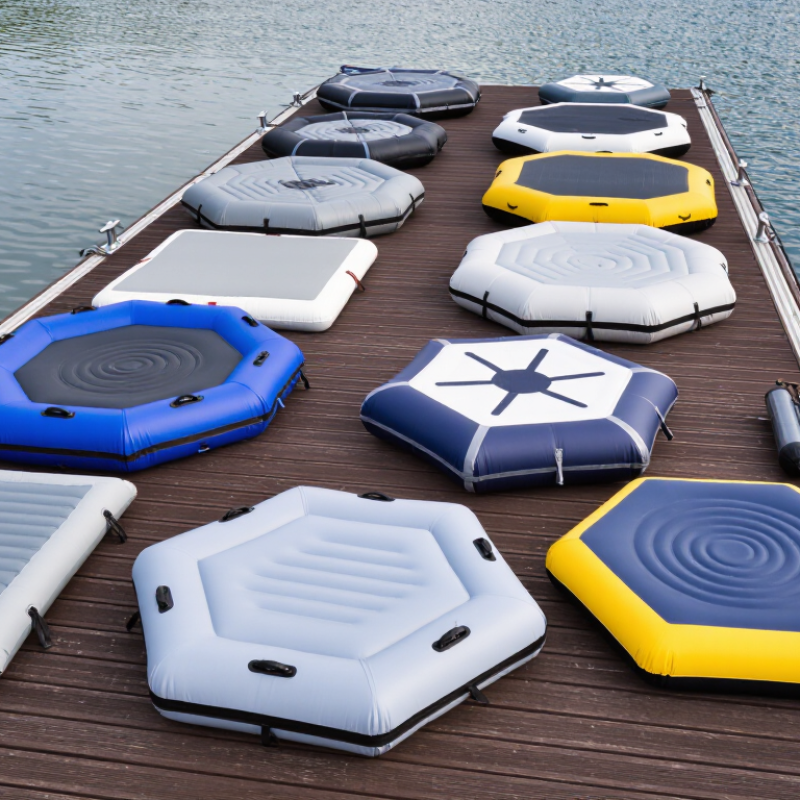
An inflatable boat platform is a buoyant, portable surface designed to support people, equipment, or small watercraft. It usually combines air chambers with a reinforced deck. Some models use high-pressure drop-stitch material, while others use wider tube construction. The platform can serve as a boarding step, fishing base, swim area, or temporary work surface. Its value depends on stability, load capacity, floor stiffness, and ease of inflation. A platform may look solid on a calm lake but feel different in wind or moving water. That difference matters.
The top ten platform types usually include fishing platforms, dock extensions, swim platforms, tender platforms, kayak launch platforms, work rafts, rescue training platforms, sailing support platforms, cargo platforms, and modular pontoon decks. Each type has a different purpose. Check the stated weight limit, chamber layout, valve quality, deck texture, and attachment points. Measure the packed size too. A large platform can become awkward inside a small vehicle. Reliable use also requires regular pressure checks and inspection for cuts, loose seams, or damaged handles. One practical lesson is easy to miss: extra width does not always create better control.
Tips: Inflate the chambers evenly and test the platform near shore before carrying equipment. Keep sharp tools away from the deck. Use a tether where appropriate, but never treat an inflatable platform as unsinkable. Manufacturers’ instructions should guide pressure, loading, and maintenance decisions.
How Inflatable Boat Platforms Are Designed and Classified
Inflatable boat platforms are designed around buoyancy, balance, and practical use. Their first classification is structural. Drop-stitch platforms hold thousands of internal threads, creating a firm, board-like surface when inflated. I-beam floors bend more easily and usually feel softer underfoot. Air-deck designs reduce weight, while multi-chamber platforms improve safety if one section loses pressure.
Shape creates another useful classification. Catamaran platforms use two separated pontoons for stability and lower water resistance. Single-pontoon platforms are narrower and easier to transport. Wide raft platforms provide more working space but may turn slowly. Modular dock sections connect into larger floating surfaces. Swim platforms focus on low edges and easy boarding. Work platforms add reinforced attachment points for tools or equipment. Rescue platforms often emphasize visibility and rapid inflation. Fishing platforms usually combine quiet movement with storage areas. Training platforms prioritize stability over speed. Recreational platforms often favor comfort and simple setup.
In field use, I check seam quality, valve placement, floor flex, and chamber separation before judging performance. A high load rating does not mean unlimited payload. It includes people, equipment, water, and movement. Pressure also changes with sunlight and air temperature. That detail is easy to miss. Classification is helpful, but imperfect. Two platforms may share the same category yet behave differently in wind or waves. I would test stability close to shore, measure freeboard under realistic weight, and inspect every connection after inflation. Small design choices matter. A misplaced handle can make boarding awkward, especially with wet hands.
What Are the Top 10 Inflatable Boat Platforms?
Typical operating length by inflatable boat design and use classification
Inflatable boat platforms are commonly classified by floor construction, hull geometry, buoyancy layout, and intended use. The values shown are representative midpoints in metres derived from common industry size ranges; categories may overlap because a single boat can combine several platform features.
What Features Define the Top Ten Platforms?
What Are the Top 10 Inflatable Boat Platforms?
The top ten inflatable boat platforms are defined by practical features, not attractive photos. During real use, stable floors, wide tubes, and balanced weight distribution matter most. A rigid or high-pressure floor reduces flex underfoot. Reinforced seams also help the boat handle repeated launching and beach contact.
Reliable platforms usually include secure valves, strong grab lines, and clear load ratings. Their fabric should resist abrasion, sunlight, and saltwater exposure. Comfortable seating, adjustable oars, and several attachment points improve control and usability. Compact packing is valuable, but extreme portability can reduce interior space. No platform performs perfectly in every condition. I still question products that promise speed without explaining stability.
Tips: Check the maximum load with people, fuel, and equipment included. Inflate the chambers evenly and inspect pressure before departure. Test the floor on land first. It should feel firm, not dangerously rigid. Review repair materials, valve access, and manufacturer guidance before buying. A short trial in calm water can reveal awkward handling, poor seating, or difficult drainage. Experienced users should also examine carry handles and lifting points, because small weaknesses become obvious during transport. Safety gear remains essential, even on short trips.
How to Choose the Right Inflatable Boat Platform
Choosing among the top 10 inflatable boat platforms starts with your actual water routine. A calm lake needs different features than tidal water or a slow river. Measure the deck, then compare its usable standing area, not only the advertised length. Check the maximum load carefully. Include passengers, fuel, battery, safety equipment, and coolers.
A rigid drop-stitch floor usually feels steadier underfoot. Multi-chamber construction can provide valuable backup if one section loses air. Look for reinforced seams, secure grab handles, strong D-rings, and valves that are easy to reach with wet hands. PVC often suits occasional use and lighter budgets, while reinforced fabric may resist abrasion better. However, material quality depends on thickness, coating, and workmanship. I once focused too much on floor stiffness and overlooked packed size. It made transport frustrating.
Read the repair instructions before purchase. A useful platform should include a compatible pump, pressure guidance, repair materials, and clear load limits. Examine independent testing, documented safety standards, and realistic warranty terms. Avoid vague claims about “professional strength.” They prove little without specifications. For frequent launching, weigh inflation time and carrying handles against stability. For fishing, consider attachment points and a low-slip surface. For family use, prioritize drainage, rail security, and comfortable boarding. Test the platform on land first. It may feel stable there, yet behave differently when waves, gear, and moving passengers change the balance.