
Choosing a supplier for a Premium Baseball Cap is about more than comparing prices. Global buyers need dependable quality, clear communication, and production that matches their specifications. A cap may look simple, yet small differences in crown shape, stitching, panel alignment, or embroidery can change how it feels and performs. Details matter.
This guide introduces suppliers serving international buyers in 2026 and explains what to examine before requesting a quote. We consider product range, customization options, material information, sample processes, production capacity, and quality-control practices. These checks help buyers ask specific questions instead of relying on polished catalog photos. A sample can reveal details that a product page cannot.
No supplier is perfect. That sounds obvious, but tight deadlines can make buyers overlook practical questions. Ask how colors are approved, how defects are handled, and whether production updates are available. Confirm minimum order quantities, lead times, packaging, and shipping terms directly with each company, since these can vary by design and destination. Claims should be verified, not assumed.
The suppliers featured here are starting points for comparison, not a substitute for independent checks. Review current specifications, request written quotations, and test samples against your intended use. The right choice depends on your audience, budget, order size, and expectations. Sometimes the best-looking option is not the best fit. A little careful checking can prevent expensive surprises later.
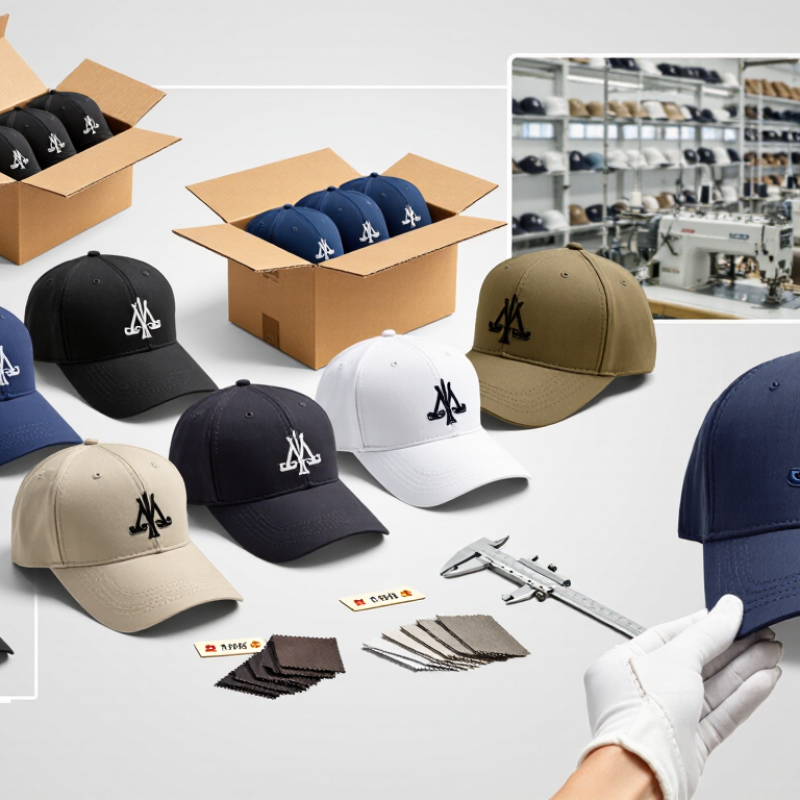
A premium baseball cap in 2026 is more than a clean logo-free silhouette or a high price. Buyers should assess fabric weight, stitching consistency, colorfastness, and fit across sizes. A cotton twill crown should hold its shape without feeling board-stiff; the brim should curve evenly, with no loose threads at the seams. Small details matter.
Market context helps explain the higher bar. Grand View Research estimated the global headwear market at US$26.5 billion in 2023 and projected a 6.3% compound annual growth rate from 2024 to 2030 in its Headwear Market Size report. That broad category includes more than baseball caps, so the figure is not a cap-only forecast. Still, it signals a competitive market where buyers need verifiable quality, not just attractive product photos.
For global sourcing, request fabric composition, colorfastness test results, and a pre-production sample. Check the sweatband for a smooth, non-scratchy finish, then compare measurements across production samples. Ask how recycled fibers are documented; a sustainability claim without traceable evidence is weak. No cap is perfect. Even careful inspection can miss variation between batches, so clear tolerances and incoming quality checks are practical safeguards.
International baseball cap buyers commonly choose among direct manufacturers, OEM/ODM producers, trading companies, and specialist headwear suppliers. Direct factories may offer closer control over stitching, panel shape, embroidery, and fabric selection. Buyers can request a sample showing crown structure, brim curve, sweatband, and closure before approving bulk production. Ask how defects are recorded and corrected, not only whether inspection is available.
OEM/ODM suppliers help buyers develop custom specifications, while trading companies can coordinate several product types or factories. Specialist workshops may be better suited to detailed construction, such as structured crowns or carefully matched thread colors. Each model has trade-offs. A low minimum order can still come with limited material choices, and direct factory contact does not guarantee clear communication. Request a written specification, production timeline, sample approval process, and carton details. Small details matter. Check whether quoted lead times include sampling and shipping preparation. Some buyers overlook this. It can disrupt a launch. Supplier audits, reference checks, and consistent sample comparisons give buyers practical evidence, though no single check removes every risk. I would also ask who handles changes when approved fabric or trims become unavailable. That answer often reveals more than a polished catalog.
Supplier categories compared by production model, typical order scale, customization, and buyer fit. MOQ and lead-time figures are indicative planning ranges, not guarantees; they vary by material, construction, season, and supplier.
| Supplier type | Typical product focus | Typical MOQ per style or color | Customization commonly available | Indicative production lead time | Often a good fit for | Checks for international buyers |
|---|---|---|---|---|---|---|
| Specialist OEM/ODM cap factory | Structured and unstructured baseball caps, including custom private-label styles | About 300–1,000 units | Panel construction, fabrics, closures, embroidery, printed details, labels, and packaging | Roughly 30–60 days after sample and specifications are approved | Brands needing repeatable custom production and direct factory coordination | Confirm sample approval process, production capacity, inspection standards, and export documentation |
| Large-scale headwear manufacturer | High-volume core styles, team caps, and programs with recurring seasonal orders | About 1,000–5,000+ units | Standardized fabric and color options, logo application, trims, and bulk packaging | Roughly 45–90 days, depending on volume and material availability | Importers and established labels placing larger, forecastable orders | Check capacity allocation, material reservations, quality-control checkpoints, and shipment planning |
| Technical performance headwear maker | Lightweight, moisture-managing, ventilated, or sport-oriented caps | About 500–2,000 units | Technical fabric selection, mesh panels, fit adjustments, reflective details, and performance trims | Roughly 40–75 days; testing or specialized materials may add time | Sports, outdoor, and active-lifestyle buyers with material-performance requirements | Request material specifications and relevant test reports; verify claims against the intended use |
| Promotional-products supplier | Branded event caps, corporate giveaways, and straightforward stock or semi-custom styles | About 50–500 units, depending on the blank style and decoration | Logo embroidery or printing, limited color choices, and basic packaging options | Roughly 10–30 business days for available stock styles; custom production may take longer | Organizations needing branded caps in smaller quantities or on tighter schedules | Clarify whether goods are in stock, confirm decoration placement, and approve a production sample |
| Trading company or sourcing agent | A range of cap styles sourced from one or more production partners | About 100–1,000 units, depending on the partner factory and product | Varies by factory; may include product development, supplier coordination, and consolidated orders | Roughly 30–75 days, with additional time possible for sampling and coordination | Buyers seeking help with supplier communication, sourcing, or mixed product requirements | Identify the actual manufacturer, clarify service fees and responsibilities, and establish inspection arrangements |
| Small-batch cut-and-sew workshop | Prototype-led, limited-run, or detail-intensive cap designs | About 50–300 units; material minimums may apply separately | More flexible pattern, fit, fabric, trim, and construction development | Roughly 20–50 days after development and sampling, subject to workshop capacity | New labels testing a design or buyers prioritizing small runs and hands-on development | Check production repeatability, workmanship tolerances, material sourcing, and unit-cost changes at scale |
Planning note: MOQ and lead times are broad industry estimates for comparison. Confirm the final terms in a written quotation, including Incoterms, payment terms, sample charges, packaging, inspection, and delivery schedule.
Quality begins with measurable specifications, not a polished sample. Request fabric composition, colorfastness results, seam inspections, and a written defect threshold. Textile Exchange’s Materials Market Report 2024 estimates global fiber production reached 124 million tonnes in 2023, with polyester making up 57%. That figure describes the wider fiber market, not baseball caps specifically; use it as sourcing context, not proof of quality. Ask suppliers to identify each fabric’s composition and provide supporting test records. Ask for evidence.
Customization needs equally precise checks. Approve a pre-production sample showing panel shape, crown depth, brim curve, embroidery placement, closure, and sweatband. Measure the sample and record tolerances, so bulk production does not quietly drift. For capacity, request monthly output, current order load, peak-season lead times, and disclosure of subcontracted work. Compare these figures with a small pilot order and inspect stitching, sizing, and color consistency across units. A factory visit can help, but one visit may not reveal a busy-season bottleneck. That is easy to miss. Tie purchase approvals to inspection criteria, and document who handles corrective work when defects appear.
Global buyers compare premium baseball cap suppliers by more than unit price. Grand View Research estimated the global baseball cap market at USD 16.3 billion in 2023, with projected annual growth of 6.5% from 2024 to 2030. That growth makes supplier claims easy to find—and harder to verify. Ask for fabric composition, panel construction, stitch density, colorfastness results, and a sample made with the same materials as bulk production. Check the crown shape and embroidery under daylight, not only in a polished product photo.
Production consistency matters. Request pre-production samples, measurement tolerances, and inspection records for each order. For recycled or organic fibers, ask for current transaction documents and scope details; a broad sustainability claim is not proof for every fabric. Compare lead times against the supplier’s actual capacity, including peak-season orders. A low quote may omit testing, packaging, or revisions. That can change the real cost. Grand View Research’s market estimate is useful context, but it does not verify any individual factory’s quality or reliability.
For global buyers, a premium baseball cap is more than fabric and stitching. Ask suppliers for a specification sheet covering crown shape, panel count, visor insert, closure, and embroidery limits. Request samples in the actual fabric and color, then inspect seam tension and sweatband comfort under bright light. A neat sample can still mislead. Check it twice.
Before placing an order, confirm which product tests and labels apply in the destination market. Ask for current test reports, fiber-content details, country-of-origin information, and care-label artwork where required. Requirements vary by market, so verify them with your customs broker or qualified compliance adviser. Keep approved specifications and sample photos with the purchase order. Small wording differences on labels can create avoidable delays.
Logistics deserve equal attention. Confirm carton dimensions, units per carton, gross weight, production lead time, and the shipping term in writing. Request a packing list and commercial invoice draft before goods leave the factory. A carton that looks compact in a sample room may occupy costly space in a container. Build time into the schedule for inspection and document corrections; estimates can slip, and a tight launch date leaves little room to recover.
Presidio Golf Course
300 Finley Road @ Arguello Gate
San Francisco 94129
P: 415.561.4661
MAP IT