Why Buy Second Hand Golf Clubs for Global Buyers?
For global golfers, buying second hand golf clubs can turn a limited budget into a practical equipment upgrade. A clean seven-iron may cost far less than a new model. It can still deliver reliable distance and control. However, lower price does not automatically mean better value. Buyers must inspect condition, specifications, seller reputation, and return terms carefully.
Tom Wishon, a respected golf-club designer and founder of Wishon Golf, has often emphasized, “There is no such thing as a standard golf club.” That principle matters when purchasing across borders. A driver with 10.5 degrees of loft, a regular-flex shaft, and a midsize grip may suit one player perfectly. Another golfer may need a different shaft weight, lie angle, or grip size. Photographs can reveal worn grooves, sky marks, or rusty screws, but they cannot measure everything.
The best purchase begins with honest research. Check the club’s model year, serial number, shaft label, and visible wear. Ask for close-up images. Confirm whether the seller accepts returns and explains shipping costs clearly. Some marketplaces provide inspection services, while others rely mainly on buyer judgment. That difference can be decisive.
There is room for doubt.
A used club may look excellent and still feel wrong during a swing. I have seen buyers focus on cosmetic marks while overlooking a damaged shaft or unsuitable flex. That mistake is easy to make. A careful comparison of fitting data, seller information, and total delivery cost creates a safer buying experience. For international customers, second hand golf clubs are not merely cheaper alternatives. They are opportunities that require patience, practical knowledge, and a willingness to question attractive deals.
What Are Second-Hand Golf Clubs?
Why Buy Second Hand Golf Clubs for Global Buyers?
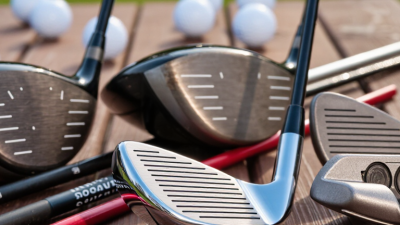
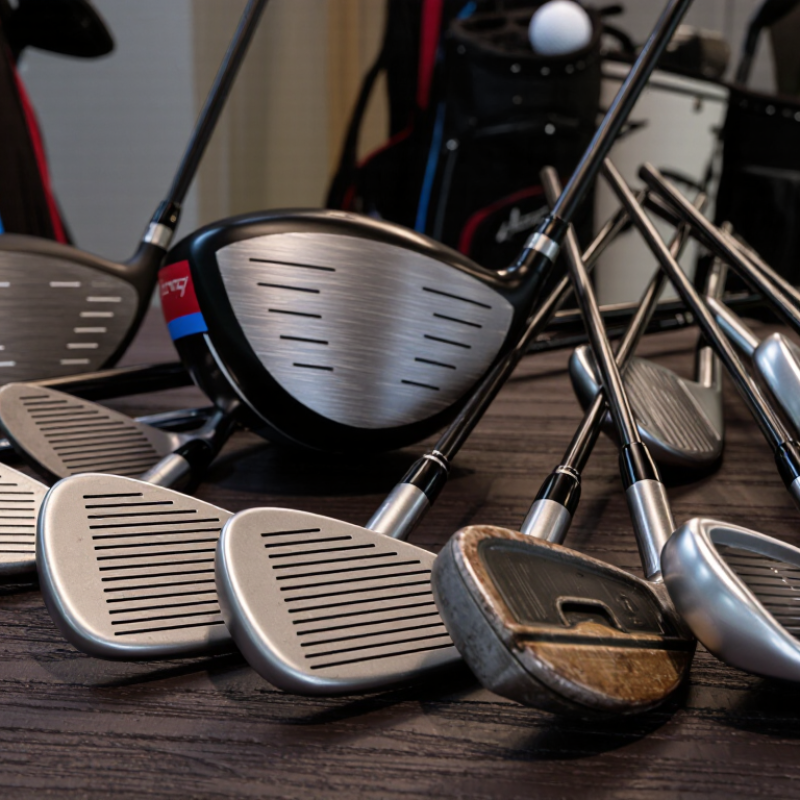
Second-hand golf clubs are pre-owned clubs sold after previous use. They may come from individual golfers, fitting centers, rental programs, or resale specialists. Their condition can range from nearly unused to heavily played. A reliable seller should describe wear honestly and provide clear photographs of the clubface, sole, shaft, grip, and head.
Look closely at the grooves. They should still show defined edges without deep rust or unusual damage. Check the shaft for bends, cracks, and loose labels. The grip may feel hard or shiny, which often means replacement is due. Loft and lie angles also matter, especially when buying across countries. Measurements can vary slightly between sellers. That detail is easy to miss.
Professional inspection records improve trust. Useful records include shaft flex, length, swing weight, and visible repair history. Buyers should also confirm the return policy, packaging method, customs requirements, and delivery insurance. A strong box protects the clubhead during long international shipping.
Used equipment can offer practical value, but it is not automatically a bargain. A low price may hide worn grooves or an unsuitable shaft. No inspection system is perfect. Even experienced buyers sometimes overlook small dents under poor lighting. Ask focused questions and compare the club’s condition with its stated grading. This careful process makes second-hand golf clubs easier to evaluate for players in different markets.
Why Buy Second-Hand Golf Clubs for Global Buyers?
Second-hand golf clubs are previously owned clubs that are resold after inspection, cleaning, and condition grading. They are available in the same main categories as new clubs, while their specifications—especially loft—help buyers compare suitable options across different markets.
Loft is one of the most useful specifications when comparing second-hand clubs from international sellers. It affects launch height, distance, and shot control, so buyers can focus on fit and performance rather than simply choosing the newest product.
Why Do Global Buyers Choose Used Golf Clubs?
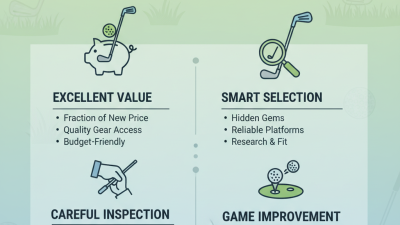
Global buyers choose used golf clubs because they can access practical equipment at lower prices. A carefully selected second-hand club may deliver reliable performance without consuming a large budget. This suits beginners, developing players, and golfers testing a different shaft or club type. It also supports a more resource-conscious buying decision. The real value is not simply “cheap.” It is condition, fit, and honest product information.
Experienced buyers inspect face wear, grooves, shaft straightness, grip condition, and visible dents. They compare loft and lie specifications with their swing needs, since small differences can change ball flight. Clear photos, accurate measurements, and a documented return policy make cross-border purchases safer. Shipping costs, import duties, and local regulations should be checked before payment. I once saw a bargain become disappointing after delivery because the grip felt harder than expected. That detail was easy to miss. Used equipment is not automatically perfect. It requires patience and careful questions.
Tips: Ask for close-up photos of the clubface and shaft. Confirm length, handedness, flex, and total set contents. Use protected payment methods and keep all order records. If specifications remain unclear, wait before buying. A slower decision often prevents an expensive mistake.
How Can Buyers Assess Club Quality and Condition?
A second-hand golf club deserves the same inspection as a used vehicle. Check the face first. Look for deep grooves, flattened edges, unusual dents, or hairline cracks around the hosel. Light cosmetic marks are often harmless. Structural damage is not. The National Golf Foundation reported 47.2 million American golfers in 2023, showing strong ongoing demand for equipment. That demand also creates inconsistent resale quality.
Test the club’s weight and balance in your hands. A shaft should feel straight, without peeling, splintering, or movement near the grip. Ask for clear photos of the sole, face, shaft label, and hosel. If possible, measure loft and lie angles professionally. A previous adjustment may have changed performance. Golf Datatech’s retail tracking remains widely used for monitoring equipment sales, but sales data cannot verify one individual club’s condition. That is where careful inspection matters. I once trusted a clean-looking face and missed a loose ferrule. It was a small mistake, but the club felt unstable.
Tips: Request the club’s age, repair history, and return terms. Compare actual photos with the listing. A launch monitor can reveal inconsistent ball speed or excessive spin. Do not judge quality by appearance alone. Even experienced buyers sometimes overlook hidden shaft damage.
What Should International Buyers Know About Pricing and Shipping?
Buying second-hand golf clubs can reduce costs, but international pricing needs careful checking. The listed price is only one part of the purchase. Compare several sellers and confirm the club’s condition, age, shaft type, grip wear, and included accessories. A low price may reflect deep scratches, bent shafts, or grips that need replacement.
Currency conversion can change the final cost quickly. Banks and payment services may add exchange fees. Import duties, local taxes, and customs charges can also apply when the parcel enters your country. These costs differ by destination and product classification, so check official customs guidance before ordering. Prices are not always transparent. Ask the seller for an itemized invoice and written confirmation of the sale terms.
Shipping creates another layer of risk. Golf clubs are long, heavy, and awkward to package. Request strong protective wrapping around the heads and shafts, especially for steel or graphite models. Compare tracked shipping, delivery estimates, insurance, and the carrier’s damage policy. Some sellers quote a cheap freight rate, then charge extra for oversized packaging. That mistake is easy to make. Measure the packed parcel, not just the clubs. Keep photos of the package before dispatch, and inspect it immediately after delivery. Small details matter. A scratched club may be acceptable, while a hidden shaft crack can make it unsafe to use.
How Can Buyers Select the Right Used Clubs for Their Game?
Selecting used golf clubs starts with your swing, not the club’s appearance. Measure your current seven iron, including length, loft, lie angle, and shaft flex. These details help you compare listings accurately. A small lie-angle difference can send shots left or right. For beginners, a forgiving clubhead and moderate shaft weight may offer better control.
Inspect clear photographs of the face, grooves, sole, and grip. Light scratches are usually cosmetic, but deep dents can affect performance. Worn grooves may reduce spin, especially from wet grass. Ask for close-up images when details look unclear. Do not rely on one attractive product photo.
Fit matters more than age.
Check the shaft for bends, cracks, and unusual marks near the head. Grip replacement is simple, but include that cost in your budget. Confirm the club’s exact length and whether the listed specifications are measured or estimated. I once trusted a seller’s “standard” description and received a club that felt noticeably longer. That mistake changed my setup and shipping plan.
Choose sellers who provide honest condition grades, detailed measurements, and a clear return policy. Buyers in different countries should also confirm shipping costs, delivery times, and import requirements before paying. A reliable seller answers specific questions without pressure. Used equipment can perform extremely well, but only when its specifications match your swing and playing conditions.