| Driver |
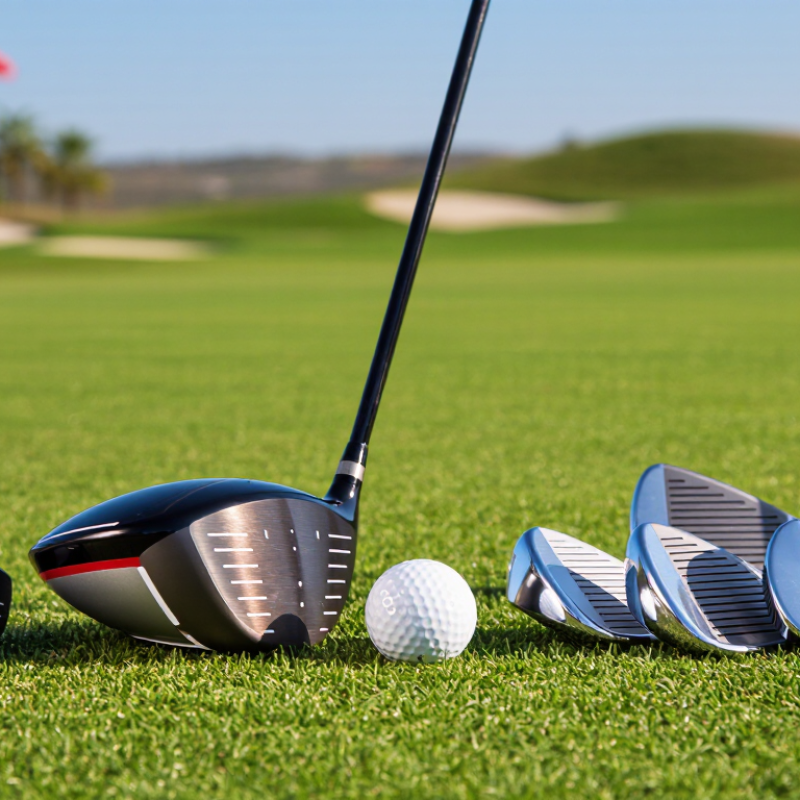
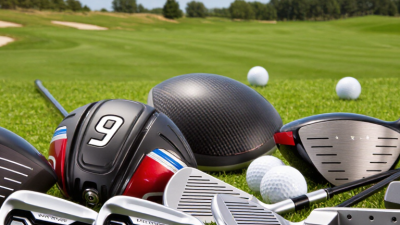
Large, hollow head; long shaft; low-lofted face. Many designs position mass low and toward the rear to help launch the ball. |
Built for maximum distance from the tee. A longer shaft and lower loft can increase speed, while launch and spin depend on the golfer’s strike and delivery. |
Offers less face control than shorter clubs. A large head can make off-center strikes more forgiving, but the long shaft can make consistent contact harder. |
Players seeking distance on tee shots, especially when there is room to use a full swing. |
Maximum distance comes with greater difficulty controlling direction and strike for some golfers. |
| Fairway Wood |
Shallow, rounded head with a sole designed to move across turf; generally shorter than a driver and available in several lofts. |
Produces long shots from the tee or fairway. More loft than a driver generally supports a higher launch, though results depend on the club and swing. |
Can be easier to control than a driver because of its shorter shaft, but clean contact from the ground requires a suitable lie and strike. |
Long approach shots, tee shots on narrower holes, and players who want a distance option beyond their longest iron. |
Less effective from thick rough or poor lies, where the head may not pass cleanly through the grass. |
| Hybrid |
Compact, wood-like head paired with a shorter shaft; combines features commonly found in fairway woods and long irons. |
Designed to cover long-shot gaps and launch the ball more readily than many traditional long irons. |
The wider sole and head can help with forgiveness on imperfect strikes. Its shorter length than many fairway woods may help some players manage direction. |
Replacing a difficult long iron, hitting long approach shots, or playing from a range of lies. |
Shot shape and turf interaction differ from irons, so it may take practice to control trajectory and distance consistently. |
| Long and Mid Irons |
Iron heads with relatively less loft in the long irons and progressively more loft in the mid irons; designs range from compact to wider, more forgiving heads. |
Long irons are intended for longer shots with a lower flight; mid irons provide more loft and shorter distances. Actual gaps depend on loft, speed, and strike. |
Provide a direct feel for face direction and trajectory. More compact heads can offer shot-shaping feedback but may be less forgiving on mishits. |
Players who make consistent contact and want control over longer or mid-range approach shots. |
Lower-lofted irons can be harder to launch and strike consistently than hybrids for many golfers. |
| Short Irons |
More lofted iron faces and shorter shafts than long irons, supporting a steeper launch and more compact swing. |
Designed for shorter approach distances and a higher flight than long irons. Loft and contact influence carry and stopping behavior. |
Shorter shafts can support repeatable contact; loft helps produce a higher landing angle that may help the ball stop on the green. |
Approach shots where distance control and a controlled landing are priorities. |
Distance can vary significantly with strike quality, so consistent contact is important. |
| Wedges |
High-lofted irons with options for different sole widths, bounce angles, and grinds to suit varied turf and bunker conditions. |
Built for shorter shots, high trajectories, and partial swings. Loft and sole design affect launch, contact, and how the club moves through turf or sand. |
Allow a wide range of trajectories and distances, but require touch and practice. The right sole configuration can help in particular lies and conditions. |
Short approaches, chips, pitches, bunker shots, and shots requiring a high or controlled flight. |
Small differences in strike, swing length, and lie can produce noticeable changes in distance. |
| Putter |
Flat-faced head with a range of head shapes, alignment aids, and weighting styles; designed for rolling the ball along the green. |
Not designed for aerial distance. Performance depends mainly on pace control and starting the ball on the intended line. |
Face alignment, balance, and feel can influence consistency. No single head shape or balance style suits every stroke. |
Putting on the green and, where appropriate, short shots from just off the green. |
Fit and feel are highly individual; a design that suits one stroke may not suit another. |