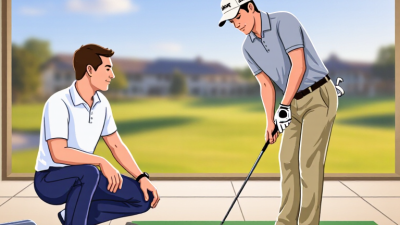
What makes the best golf club in 2026? It is not simply the newest model or the one with the lowest handicap claim. The right choice depends on how you swing, what you need the club to do, and whether it feels comfortable at address. That matters. A driver that launches high on a fitting-bay screen may behave differently on a windy course. A forgiving iron can still feel wrong in your hands.
The National Golf Foundation’s 2025 participation update reported 28.1 million on-course golfers in the United States during 2024. That broad audience has different speeds, budgets, and playing goals, so one universal winner is unlikely. Club designer Tom Wishon has said, “There is no such thing as a standard golf club.” Fit first. This guide compares 2026 options by performance, forgiveness, feel, adjustability, and value, while separating manufacturer claims from practical buying considerations. Where possible, look for independent testing and try clubs with your own ball and swing. A launch-monitor number is useful, but it is not the whole round. No ranking can make the decision perfectly; personal testing still matters. We should be honest about that.
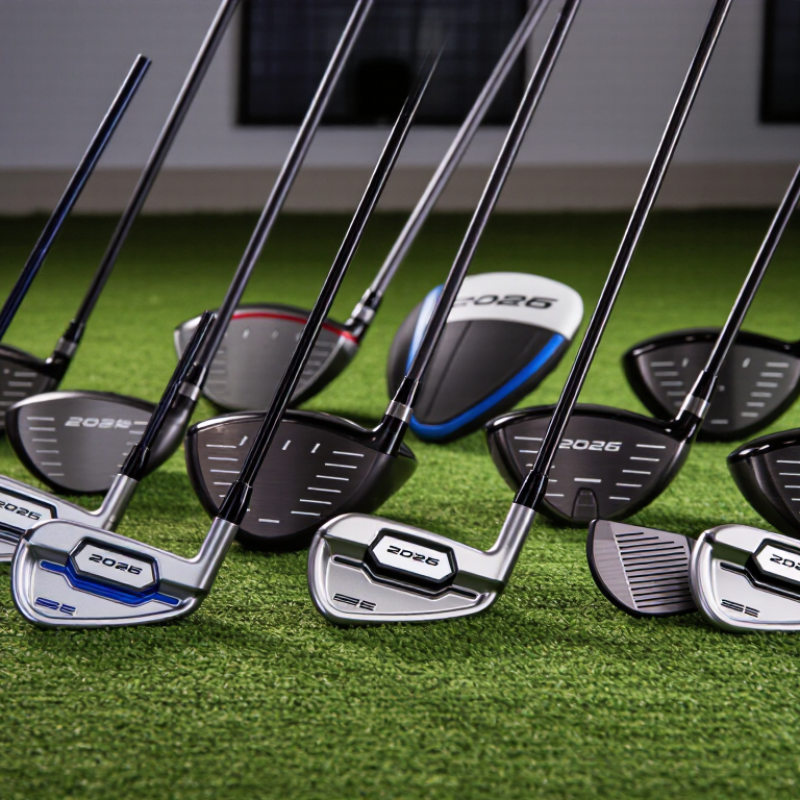
In 2026, evaluating golf clubs should start with repeatable testing, not a single impressive shot. Testers can record carry distance, total distance, ball speed, launch angle, spin, and shot dispersion using calibrated launch-monitor equipment. Each club should be hit from the same surface, with comparable balls and weather noted. A dozen swings may not tell the whole story, but can reveal obvious inconsistencies. Small details matter.
A useful comparison also separates performance by skill level and swing pattern. A forgiving head may keep mishits closer to the target, while a compact design may reward centered contact. Testers should note strike location, then compare average results and the spread between shots. Distance alone can mislead; a long shot that lands far offline may not help a golfer score. Feel matters.
Shaft length, weight, flex, lie angle, and grip size deserve attention because they affect how a club performs for the person holding it. Repeat sessions and on-course observations can help, since mats do not fully mimic turf. Durability, adjustment options, and price should be weighed against measurable gains. Some results remain subjective, especially sound and feel, and testing groups are rarely perfect. That is worth admitting. A credible evaluation explains its method, sample size, and limits, helping readers judge whether the evidence fits their own game.
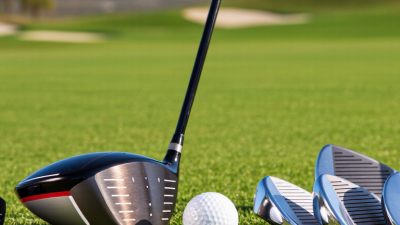
The best golf clubs in 2026 depend less on a complete matching set than on how you swing and where you need help. Beginners often benefit from forgiving cavity-back irons, which help reduce the damage from off-center contact. A lighter, higher-launching driver can make tee shots easier to lift. Start with clubs that feel steady, not merely impressive on a shop display. Feel the difference.
More experienced players may prefer compact irons for sharper feedback and control, especially if they strike the center consistently. A stronger player with a fast swing may need a stiffer shaft, but swing speed alone is not enough to choose one. Try several options and watch ball flight, contact, and dispersion. A launch monitor helps, though outdoor testing can reveal how shots behave in real conditions.
Club type matters, too. A mallet putter can feel stable through the stroke, while a blade may suit golfers who prefer a lighter, simpler look. Wedges should match the shots you actually face; extra loft is not automatically useful if it creates difficult gaps. No chart gets this perfectly right. Even a well-fitted set can expose an awkward habit, so note which clubs you avoid and why.
A golf club’s performance comes from how its head, face, loft, and shaft work together. A low center of gravity can help launch the ball higher, while perimeter weighting can reduce twisting on off-center strikes. Small changes matter. The USGA and R&A’s 2023 Distance Report recorded a 1.2-yard increase in average driving distance across tracked tours. That figure does not prove club design caused the gain; player skill, course conditions, and other factors also matter. It is a useful reminder that equipment claims need context.
The USGA and R&A Equipment Rules limit driver-head volume to 460 cubic centimeters and regulate the face’s spring-like effect. Within those limits, face thickness and material affect how energy transfers at impact. Shaft weight and flex can also change timing and strike location. A lighter shaft may help some golfers increase speed, but it can make control harder for others. Feel differs. A fitting should compare launch, spin, dispersion, and carry—not just the longest shot. Even reliable launch-monitor numbers can mislead when golfers hit only a few balls or use inconsistent swings. A slightly less forgiving club may suit a skilled striker, yet punish a tired, hurried swing.
Choosing the best golf clubs in 2026 starts with your swing, not a popularity list. Begin with a few basics: your usual miss, how fast you swing, and whether you make solid contact consistently. A launch monitor can show ball speed, launch angle, and spin, but numbers need context. Too little spin may cost control; too much can shorten a shot. Feel matters. Try clubs on a range, using the same balls and targets where possible. Notice whether the club sits comfortably behind the ball and whether your common miss gets worse. A tidy fitting chart can still miss what happens under pressure.
The course matters, too. Tight fairways may reward a dependable hybrid or fairway wood, while soft turf can make sole design and bounce more noticeable. If you often face firm greens, test whether your irons produce enough height to stop the ball. Check your wedges from real lies: a clean mat does not mimic damp rough or a thin patch of grass. Ask a qualified fitter to compare shaft length, weight, and flex, then hit several shots with each option. One perfect strike proves little. Keep notes, revisit the results, and be willing to question a setup that looks right but feels awkward after nine holes.
There is no single best club setup for every golfer. Use this guide to compare common club types, their typical lofts, and the situations they are designed to handle.
| Club type | Typical loft | What it is designed to do | May suit your game if… | What to check when choosing |
|---|---|---|---|---|
| Driver | About 8°–12° | Provides the longest tee shots, usually with a large head and a long shaft. | You want distance from the tee and can make reasonably consistent contact with a longer club. | Test different lofts and shaft flexes. More loft can help some golfers launch the ball higher; prioritize a repeatable start direction and strike pattern over advertised distance. |
| Fairway wood | Commonly 15°–18° for a 3- or 5-wood | Offers a long-distance option from the tee or, when suitable, from the fairway. | You need a versatile club for long holes or prefer a fairway wood to a driver on tighter tee shots. | A higher-lofted fairway wood is often easier to launch than a lower-lofted one. Check that the head and shaft length allow reliable contact from the lies you expect to face. |
| Hybrid | Often about 18°–28° | Fills distance gaps between fairway woods and irons, with a compact, wood-like head. | Long irons are difficult to launch or you want a club that can be used from several types of lie. | Compare its carry distance with the clubs above and below it in your set. Loft and carry vary; select by measured distance rather than the number stamped on the sole. |
| Long or mid iron | Varies by set; commonly about 18°–30° | Provides controlled distance and a lower, more penetrating flight than many higher-lofted clubs. | You strike irons consistently and want predictable distances into greens or from the fairway. | Modern iron lofts vary considerably. Compare carry gaps and stopping ability, and consider replacing hard-to-hit long irons with hybrids or higher-lofted fairway woods. |
| Short iron | Commonly about 30°–45° | Supports approach shots where accuracy and distance control are important. | You want a familiar iron shape for approach shots and can control its carry distance. | Check the distance gaps between irons and wedges. A fitting can help match shaft length, lie angle, and shaft characteristics to your delivery. |
| Pitching wedge | Often about 42°–48° | Handles shorter approach shots and can be used for some chips and pitch shots. | You want a transition club between your shortest iron and specialist wedges. | Its loft differs across iron sets. Use the actual loft and measured carry to decide whether another wedge is needed to avoid a large distance gap. |
| Gap or approach wedge | Often about 48°–54° | Bridges the distance between a pitching wedge and a sand or lob wedge. | Your pitching wedge and sand wedge leave a noticeable yardage gap. | Choose loft based on the lofts and carry distances of the wedges already in your bag; a consistent spacing matters more than the wedge label. |
| Sand wedge | Commonly about 54°–58° | Is designed for bunker play and can also be used for short shots around the green. | You need a versatile short-game club, especially for greenside bunkers. | Sole width and bounce affect how the club interacts with turf and sand. Consider the firmness of your usual course and the way you deliver the club. |
| Lob wedge | Often about 58°–64° | Produces a high, short-flight shot when the golfer can make consistent contact. | You regularly need to carry an obstacle or stop the ball quickly on a short shot. | Higher loft can be less forgiving on mishits. Make sure it fills a useful distance or shot-making role rather than duplicating another wedge. |
| Putter | Usually about 2°–4° of loft | Rolls the ball on the green and is used for most shots from the putting surface. | You want a shape and alignment view that help you aim and make a comfortable, repeatable stroke. | Test different head shapes, lengths, and balance styles. Comfort, setup, aim, and distance control are more useful selection criteria than appearance alone. |
Selection tip: Treat loft ranges as general examples, not fixed standards. Club specifications vary between sets, and distance depends on factors such as swing speed, strike quality, ball, and course conditions. A fitting or launch-monitor session can help confirm carry gaps and suitable specifications.
A high-priced golf club is not automatically the best value in 2026. Compare the full set price with what you actually need: a forgiving driver, reliable irons, and a putter that feels comfortable. Buying fewer, well-fitted clubs can cost less than replacing an entire mismatched set. That matters.
Durability depends on more than the finish. Check the grip for early wear, inspect the clubface for deep marks, and look for loose heads or rattling shafts. For used clubs, small cosmetic scratches are usually less concerning than damage near the hosel or shaft. Ask about return terms and warranty coverage before paying; these can differ by seller and model year. A fitting session also helps prevent spending extra on specifications that do not suit your swing.
Value is personal, and I still tend to overrate a club that feels impressive during a quick demo. A few swings on a mat cannot reveal how it performs from rough or firm turf. If possible, compare clubs on a range and track distance consistency, not just your longest shot. A durable set with replaceable grips may serve longer, while budget clubs can make more sense for occasional play. The trade-off is real. Check current prices, condition, and fit together before deciding.
Presidio Golf Course
300 Finley Road @ Arguello Gate
San Francisco 94129
P: 415.561.4661
MAP IT