Where to Buy the Best Second Hand Golf Clubs in China
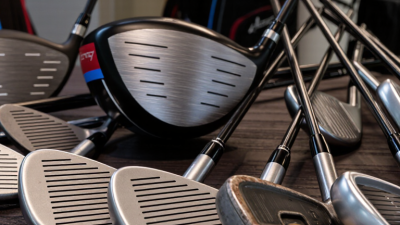
Buying second hand golf clubs in China can feel surprisingly personal. A photograph shows the clubhead, but not its balance, history, or hidden damage. The right choice depends on more than a low price.
Golf equipment designer Tom Wishon has often said, “There is no such thing as a standard golf club.” That idea matters when comparing second hand golf clubs. Shaft flex, length, lie angle, grip size, and swing weight can change the entire experience. A used seven-iron may look perfect, yet feel completely wrong during a real swing.
China offers several practical buying routes. Major e-commerce platforms provide broad selection and convenient delivery. Specialized golf shops may offer inspection, fitting, and limited after-sales support. Local driving ranges can also connect buyers with players replacing older sets. The safest option is usually the seller who provides clear close-up images, serial numbers, measured specifications, and an honest condition report.
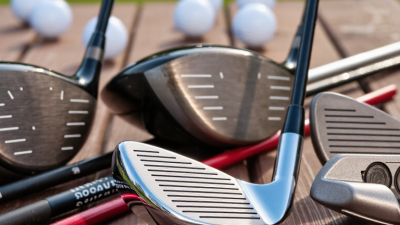
Check the grooves carefully. Examine the crown for dents. Look for worn grips and shaft scratches. Ask whether the club was adjusted, repaired, or reshafted. These details are easy to overlook.
Not every bargain is wise.
A beginner may save money but buy unsuitable clubs. I would rather choose a clean, correctly fitted iron set than chase a famous brand with unknown history. Still, personal judgment is imperfect. Online descriptions can be incomplete, and even experienced golfers sometimes misread wear. This guide explores where to buy second hand golf clubs in China, how to compare sellers, and how to reduce disappointing purchases.
Map China’s Used Golf Club Market with R&A Participation Data
China’s used golf club market is becoming easier to understand through participation data from The R&A. These figures show where golf activity is growing, but they do not directly measure second-hand sales. That limitation matters. A city with more players may have stronger demand, yet local resale supply can still be thin.
Buyers can use participation trends as a practical market guide. Larger golfing communities often create more trade-ins, club adjustments, and affordable starter sets. In major urban areas, used clubs may appear through authorized retailers, golf fitting studios, or carefully managed online marketplaces. Check the club face under bright light. Examine worn grooves, loose ferrules, shaft marks, and cracked grips. A detailed inspection is worth the extra ten minutes.
R&A participation data provides a useful regional framework, not a complete map. It should be compared with local course access, practice facilities, and seasonal playing habits. Some smaller cities may have active communities that official data cannot fully capture. The market is still uneven. Prices can also reflect emotion rather than condition, especially for older equipment with familiar designs.
Reliable sellers should disclose photographs, measurements, condition grades, and return terms. Buyers should ask whether loft and lie angles were changed. They should also request proof of lawful ownership when the purchase history is unclear. My own view is cautious: data can narrow the search, but hands-on inspection remains the strongest evidence.
China’s Used Golf Club Market: Participation Demand Context
The chart uses participation figures published by The R&A for 2023. China-specific used-club transaction data are not separately disclosed in the report, so participation is shown as the market-demand context: 61.2 million people played on a golf course, while 67.0 million participated in off-course formats globally. A large off-course participant base can support demand for affordable second-hand clubs used at driving ranges, indoor simulators and practice facilities.
Source: The R&A, Global Golf Participation Report 2023. Figures are rounded to one decimal place.
Compare Xianyu, Taobao, Pro Shops, and Trade-In Channels
China offers several practical ways to find quality second-hand golf clubs, but each channel requires a different level of caution. Local resale apps usually provide the lowest prices and direct seller communication. You may find clear photos, shaft labels, and recent practice details. However, descriptions can be incomplete. Ask for close images of clubfaces, grooves, grips, and hosels before paying.
Large e-commerce marketplaces often provide more listings and organized search filters. Some sellers show measurements, condition grades, and return policies. These details help, but polished photos can hide dents or worn grips. Check whether the seller accepts returns. Also compare the club’s length, loft, shaft flex, and serial information with reliable manufacturer specifications.
Professional golf shops usually cost more, yet they offer stronger verification. Staff can check lofts, lie angles, shaft damage, and grip condition. Many shops also allow a brief fitting or hitting test. Trade-in counters are useful when you want a quicker purchase with less negotiation. Their stock may be limited, though. A fair trade-in price is not always a low retail price. No channel is perfect. Even experienced buyers can misread hidden shaft damage from photos. A written checklist and a realistic budget reduce expensive mistakes.
Benchmark Used-Club Prices with PGA Value Guide Data
Finding reliable second hand golf clubs in China starts with price evidence, not attractive photos. PGA Value Guide data offers a useful benchmark for common used-club models and conditions. Check the club’s age, shaft type, grip wear, and listed condition before comparing prices. A club priced 1,200 yuan may look affordable, but shipping, fitting, and replacement grips can change the real cost.
Local golf shops, verified resale platforms, and golf-course communities may offer better inspection opportunities. Ask to examine the grooves, face marks, shaft labels, and hosel for damage. Experienced buyers should also compare several recent listings, rather than trusting one unusually cheap offer. PGA Value Guide figures often reflect overseas market conditions, so they should guide negotiations, not dictate Chinese prices. Import costs, availability, and local demand create noticeable differences. I would not treat any online estimate as perfect.
Tips: Save screenshots of similar listings. Measure the shaft if possible. Test the club before paying. If the seller avoids clear photos, pause. A small flaw can become an expensive fitting problem. My own preference is to pay slightly more for an inspected club, although that choice is not always financially ideal. Ask for a return arrangement when available, and keep written records of the club’s condition.
Where to Buy the Best Second Hand Golf Clubs in China - Benchmark Used-Club Prices with PGA Value Guide Data
| Equipment Category |
Typical Used Age |
Condition Assumed |
PGA Value Guide Benchmark
(USD) |
Approx. Benchmark
(CNY) |
Typical China Used-Market
Listing (CNY) |
Reasonable Buying Target
(CNY) |
Price-Checking Notes |
| Driver |
2–5 years |
Good |
$40–$180 |
¥290–¥1,300 |
¥450–¥1,600 |
¥600–¥1,250 |
Inspect the crown, face, sole, shaft tip and adjustable hosel for cracks or impact damage. |
| Fairway Wood |
2–6 years |
Good |
$25–$110 |
¥180–¥790 |
¥300–¥950 |
¥380–¥750 |
A worn face is normal, but dents, lifted paint and loose sole plates should reduce the price substantially. |
| Hybrid |
2–6 years |
Good |
$25–$95 |
¥180–¥685 |
¥280–¥850 |
¥350–¥680 |
Confirm loft, shaft flex and length; hybrids with non-standard shafts are harder to resell. |
| Iron Set, 6–7 Clubs |
3–8 years |
Good |
$100–$450 |
¥720–¥3,240 |
¥1,000–¥3,800 |
¥1,350–¥3,000 |
Check that the set is complete, lofts are consistent, shafts match and grooves are not excessively worn. |
| Wedge |
1–4 years |
Good |
$20–$100 |
¥145–¥720 |
¥220–¥900 |
¥300–¥700 |
Groove sharpness and face wear matter more than cosmetic scratches; verify the loft and bounce markings. |
| Putter |
2–8 years |
Good |
$30–$180 |
¥215–¥1,300 |
¥300–¥1,600 |
¥400–¥1,250 |
Check face balance, alignment, shaft straightness, grip condition and whether the original headcover is included. |
| Beginner Half Set |
2–7 years |
Good |
$100–$350 |
¥720–¥2,520 |
¥900–¥3,000 |
¥1,200–¥2,400 |
Best value when the bag, irons, woods and putter are all serviceable and the shaft flex suits the player. |
| Complete Used Set |
3–8 years |
Good |
$180–$650 |
¥1,300–¥4,680 |
¥1,600–¥5,500 |
¥2,000–¥4,500 |
Compare the total value of individual clubs, and confirm the bag, club count, shaft specifications and condition before purchasing. |
Benchmark notes: CNY figures use an indicative exchange rate of US$1 = ¥7.20. The guide ranges are generalized used-equipment benchmarks and are not a quote for any specific model. Actual prices in China vary according to age, condition, shaft specification, completeness, authenticity, shipping cost and seller warranty. “Good” condition means normal cosmetic wear with no structural damage.
Assess Seller Ratings, Warranties, Returns, and Buyer Protection
When buying second-hand golf clubs in China, seller ratings deserve careful inspection, not blind trust. CNNIC’s 53rd Statistical Report recorded 915 million online shoppers in China by December 2023. That scale creates useful feedback, but ratings can still hide weak quality checks. Read recent comments about shaft damage, worn grips, delivery packaging, and honest photographs. A seller with many reviews is not automatically reliable.
Ask for a written warranty before paying. It should state the coverage period, excluded damage, inspection process, and repair or refund responsibility. For used clubs, cosmetic wear may be acceptable, while cracks, bent shafts, or incorrect specifications should receive clearer treatment.
The National Retail Federation and Appriss Retail reported $743 billion in returned merchandise during 2023, equal to 14.5% of retail sales. Returns matter.
Check the return window carefully. Confirm who pays shipping and whether a condition dispute requires video evidence. Use payment methods offering transaction records and buyer protection, where available. Keep screenshots of the listing, seller promises, serial details, and unboxing video. Small details matter.
My own weakness is trusting polished photos too quickly. I once overlooked a vague grip description. That was careless. A fair seller should answer specific questions without pressure. If return rules sound confusing, pause before buying. The cheapest club can become expensive after disputed shipping, inspection fees, or unavailable support.