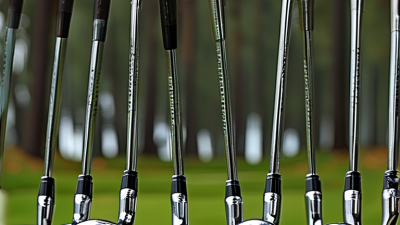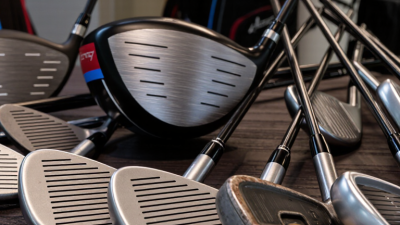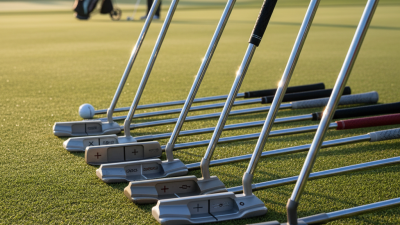
A driving iron is built for golfers who want a long, controlled shot from the tee or fairway. It usually has a hollow body, a low center of gravity, and less loft than a conventional long iron. The result is a flatter flight that can pierce wind and run after landing. That sounds simple. It is not.
The USGA and R&A’s 2021 Distance Insights Report documented major distance gains across modern golf, including a 13.3-yard increase in average male amateur driving distance between 1996 and 2018. More distance does not always mean better course management. On a narrow hole, a driving iron can offer a smaller visual target and predictable rollout. It can also suit players who dislike the taller face and longer shaft of a fairway wood. Tom Wishon, a respected club designer and founder of Wishon Golf, has stated, “There is no such thing as a standard golf club.” That principle matters here.
Fit changes everything.
Loft, shaft weight, strike quality, and launch angle decide whether the club performs. A 2-iron driving iron may feel powerful, yet produce a low shot that cannot hold a firm green. A 4-iron version may launch higher and prove more useful for average swing speeds. The R&A and USGA equipment research also shows why modern distance must be considered alongside accuracy and playability. This guide examines what a driving iron is used for, where it helps, and where it becomes a poor substitute for a hybrid. The honest answer may be less exciting: sometimes, the “easier” club is simply easier.
A driving iron is an iron-shaped club with less loft than most standard irons. It is designed to produce a relatively low, penetrating ball flight. Golfers often use it from the tee or from firm, clean lies in the fairway. It can offer more control than a driver, though it usually demands a confident strike.
Its head is commonly hollow or partly hollow, with a wider sole than a traditional blade iron. This construction can help move weight lower and make off-center contact more forgiving. The face is typically thin and springy, while the compact profile still looks more like an iron than a fairway wood. Details vary by model.
That matters.
The club’s low loft and longer shaft can make launch difficult, especially for players with slower swing speeds. A driving iron is not automatically easier to hit than a long iron. On a range, watch the launch and carry distance, not just the ball’s initial speed. A low flight can be useful in wind, but it may leave little room to stop the ball on a firm green. The name can mislead; it is a specialized option, not a universal replacement for other clubs.
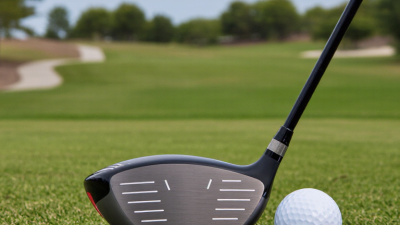
A driving iron suits tee shots where accuracy matters more than maximum distance. Think of a narrow fairway, a low-hanging branch, or a crosswind pushing balls toward trouble. Its lower launch can help keep the ball beneath the wind, while its compact head offers a familiar iron-like setup. The trade-off is real: mishits can lose distance quickly, especially from uneven turf. TrackMan’s published PGA Tour benchmarks put average driver carry near 282 yards, but that is not a useful target for every golfer. Choose a club that reliably finds your intended landing area, not one that merely looks powerful.
It can also be useful on firm fairways, where a low flight may release forward, or as a controlled second shot on a long par five. From light rough, results vary; thick grass can snag the club and reduce contact quality. A driving iron is not automatically easier than a hybrid. Your strike, launch, and course conditions decide.
Tips: Test it against your hybrid on the range. Note carry, rollout, and dispersion—not just the best shot. Try it from a tee and tight fairway lie. If the ball comes out too low or curves sharply, that is useful feedback, not a failure.
What Is a Driving Iron Used For?
How a Driving Iron Performs From the Tee and Fairway
A driving iron is a low-lofted club built for controlled distance. From the tee, it launches lower than a driver. That flatter flight can suit narrow fairways and windy conditions. Experienced players often choose it when placement matters more than maximum yardage. A centered strike feels solid and produces a penetrating ball flight. It can also reduce excessive sidespin. However, it is not automatically easier. Mishits often lose significant speed and finish far short.
From the fairway, performance depends heavily on contact quality. The ball should sit slightly forward in the stance. A firm, descending strike helps the face compress the ball cleanly. The club can handle tight lies and long approach shots. It may also reach a par-five green when the lie is favorable. Poor lies reveal its limits quickly. Thick grass can close the face or reduce launch.
I use a driving iron when I have a clear target and enough room for error. Launch monitor data can confirm carry distance, spin, and dispersion. Real-course testing matters too, because firm turf changes rollout. I once focused too much on producing a low flight and lost control. That was a useful mistake. A smooth swing usually performs better than an aggressive one. The club rewards commitment, but it does not hide uncertain contact.
| Aspect | From the Tee | From the Fairway | Best Suited To |
|---|---|---|---|
| Primary purpose | Provides a controlled, relatively low-trajectory alternative to a driver when accuracy or a specific landing area matters. | Offers a long approach or positional shot when the lie is clean and there is enough room to make a confident swing. | Golfers who want a long-iron option with a more penetrating flight than many higher-launching fairway woods. |
| Typical loft | Many driving irons are built in roughly 18°–24° lofts, commonly corresponding to stronger-lofted long irons. Exact lofts vary by model. | Players who can launch a low-lofted club consistently. | |
| Ball flight | Often produces a lower, flatter flight than a driver, which can help keep the ball below strong winds. | Usually launches lower than a comparable higher-lofted hybrid or fairway wood and may need more carry to clear obstacles. | Courses or conditions where a controlled flight is useful; not ideal when a high landing angle is required. |
| Distance pattern | Typically trades some maximum distance for directional control. Actual carry depends heavily on swing speed, strike, loft, and conditions. | Can travel a long way after a solid strike, but distance and launch are less dependable from imperfect lies. | Players who know their own carry distances and can choose a safe landing zone. |
| Forgiveness | Usually less forgiving on mishits than a driver with a large head; compact designs can reward centered contact. | Off-center or thin strikes can lose substantial carry, especially from rough or uneven ground. | Consistent ball strikers; golfers who struggle with long irons may find a hybrid easier to launch. |
| Ground conditions | Works from a tee, where the ball can be raised slightly above the turf to encourage clean contact. | Performs best from a tight, level lie. Deep rough, soft ground, or a ball sitting down can make clean contact difficult. | Firm or closely mown lies and tee shots where a low-running result is acceptable. |
| Roll after landing | A low flight can produce useful rollout on firm fairways, so the landing area should allow for extra release. | May release considerably on firm greens or fairways; it is less suitable when the shot must stop quickly. | Players who can account for firmness, slope, and hazards beyond the landing point. |
| Common alternatives | A driver for maximum distance, or a fairway wood or hybrid for a higher launch and potentially easier carry. | A hybrid or fairway wood for more height, or a conventional iron for a shorter, more controlled shot. | Choose based on lie, required carry, wind, landing space, and personal shot consistency. |
A driving iron is a long iron built to launch the ball lower than many fairway woods. Golfers often choose one from the tee when a hole feels narrow, or when wind makes a high shot harder to control. Its compact head can sit neatly behind the ball. The trade-off is clear: clean contact matters. A thin strike may come out low and lose distance.
Compared with a traditional long iron, a driving iron may have a stronger loft and a design that helps produce more speed. Still, it usually asks for a confident, repeatable swing. A long iron can offer more familiar distance gaps, while a driving iron is often chosen for a specific tee shot. Not always. Individual models and player swings vary.
Fairway woods generally launch higher and are often easier to hit from the fairway, thanks to their larger heads and longer shafts. They can carry hazards with more height, but may feel bulky on a tight tee or firm lie. A driving iron tends to produce a flatter flight and more rollout. That matters on firm ground. Before choosing, compare real shots from both clubs, including misses; a few clean range swings can make the iron seem better than it plays on course.
What Is a Driving Iron Used For?
Key Factors in Choosing the Right Driving Iron
A driving iron is designed for controlled distance from the tee or fairway. It usually produces a lower flight than a fairway wood or hybrid. This can help golfers manage windy conditions and narrow landing areas. I often see its greatest value on tight par fours, where accuracy matters more than maximum carry.
Loft is a major selection factor. Lower loft can add distance, but it also demands higher swing speed and cleaner contact. A slightly stronger player may prefer a compact head with a penetrating flight. A moderate swing speed may benefit from more loft and a wider sole. Shaft weight and flex also influence timing, launch, and fatigue during a long round. Lighter is not always better.
Consider forgiveness carefully.
Head size affects confidence at address. A larger face can protect distance on off-center strikes, while a smaller head may offer more workability. Sole width matters on fairway shots, especially from firm or uneven lies. Test the club from a tee and short grass. A launch monitor provides useful numbers, but it cannot fully show how the club feels under pressure.
I have sometimes chosen a driving iron for its clean appearance, then struggled with inconsistent contact. That mistake taught me to prioritize repeatable ball striking over appearance. Check carry distance, peak height, dispersion, and stopping power. The best option is not always the longest one. It should fit your swing, course conditions, and ability to strike the center regularly.
A driving iron is a low-lofted iron designed for tee shots or long shots from the fairway. Its compact head and lower launch can suit golfers seeking a controlled, penetrating ball flight. Compare its typical loft range with other long-club options below.
Typical loft ranges in degrees; actual lofts vary by club model. The best choice also depends on launch, distance, forgiveness, and how confidently you strike the club.
Presidio Golf Course
300 Finley Road @ Arguello Gate
San Francisco 94129
P: 415.561.4661
MAP IT