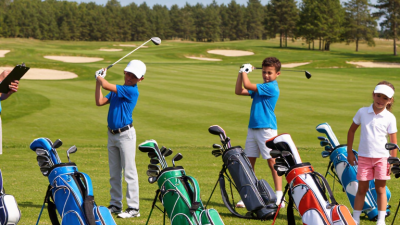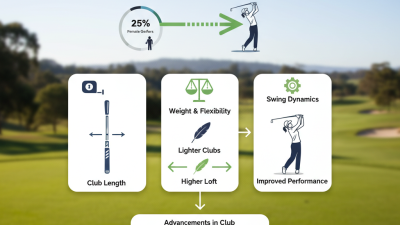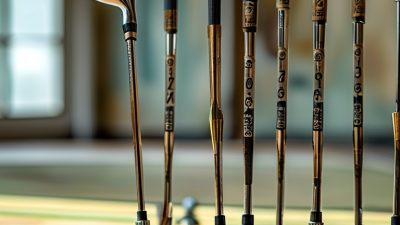
Choosing a golf club for a child is not as simple as buying a smaller adult model. Kids golf clubs are designed around growing bodies, developing strength, and changing swing patterns. Their shorter shafts help young players stand naturally and control the clubhead. Lighter clubheads reduce strain, while flexible shafts can help create speed without forcing an awkward swing. A properly sized grip also matters, especially for smaller hands.
Adult clubs often assume greater height, hand strength, and swing speed. For a child, an adult driver may feel heavy, stiff, and difficult to square at impact. The result can be poor contact, frustration, or a swing built around compensation. Experienced coaches usually assess height, wrist-to-floor measurement, strength, and current skill level before recommending a set. Age provides a useful guide, but it should not be the only measurement.
Fit matters more than appearance.
Still, no fitting chart is perfect. Children grow quickly, and two players of the same age may need completely different clubs. Some junior sets may also prioritize affordability over long-term durability, which deserves careful consideration. Parents should watch how the child carries the club, grips it, and reacts after several swings. A balanced club should feel manageable, not tiring. Understanding these differences helps families choose equipment that supports confident practice, safer movement, and steady development rather than forcing a young golfer to copy an adult setup.
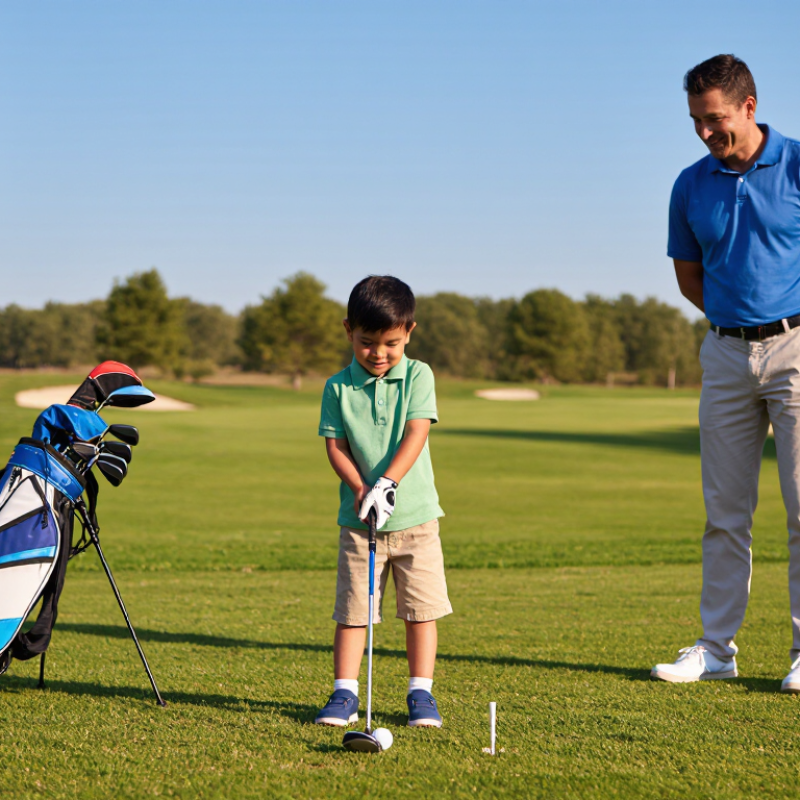
Kids’ golf clubs differ from adult clubs because children have different bodies, swing speeds, and coordination levels. A junior club is usually shorter and lighter, allowing a child to control the club without forcing the swing. An adult club can feel heavy, making the head arrive late and encouraging poor posture. That struggle may look like a technique problem, but the equipment could be the real cause.
Shaft flexibility also matters. Children often need more flexible shafts because their swings create less speed. The correct flex can help the club release naturally and launch the ball higher. Junior grips are thinner, so smaller hands can hold the club securely without excessive squeezing.
Club lengths should match the child’s height and wrist-to-floor measurement, not only their age. Two children in the same age group may require different sizes. This is where practical fitting experience becomes valuable.
The clubhead design can differ as well. Wider soles help the club move through grass when contact is slightly heavy. More loft can produce a higher flight, which gives developing players useful feedback. Still, no fitting chart is perfect. Children grow quickly, and a well-fitted club may become short within a season. I have also seen young players perform better with a slightly heavier club after gaining strength. The right choice should be checked during real swings, not judged from measurements alone. Watch the child’s balance, contact, and comfort. Those details often reveal more than distance numbers.

A child’s club should match the child, not simply copy an adult set. Club length changes posture, swing path, and the point where the club meets the ball. An overly long club may force a child to stand upright or grip down. Both adjustments can reduce control. A shorter club helps the hands stay closer to the body. It also makes a balanced finish easier to repeat.
Weight matters just as much. A heavy club can slow the backswing and strain a young player’s arms. The child may then swing harder instead of swinging freely. A lighter club usually supports better speed and steadier contact. However, extremely light equipment is not automatically ideal. The club still needs enough weight to provide useful feedback through the ball. Small grips can also reduce tension in smaller hands.
In junior coaching, fitters often check height, wrist-to-floor distance, strength, and coordination. Age alone gives an incomplete answer. A child growing quickly may need another assessment within a season. Cutting down an adult club can create poor balance and unsuitable flexibility. It may look economical, but the result can feel awkward. I once underestimated how quickly fatigue changes a child’s technique. Ten comfortable swings can reveal more than one impressive shot. A qualified coach or club fitter should watch the child swing several times, including late in the session.
Why Are Kids Golf Clubs Different From Adult Clubs?
Young golfers need clubs that match their developing strength, height, and swing speed. Adult clubs often feel heavy and difficult to control. A lighter junior club can help a child create speed without forcing the arms or shoulders. Club length matters too. If the club is too long, the child may stand awkwardly and lose balance.
Shaft flex is especially important. A shaft that is too stiff can reduce launch and distance. A shaft that is too flexible may make the clubhead feel unpredictable. The right flex helps the child sense the club loading during the swing. Grip size also changes control. An oversized grip can restrict small hands. A narrow grip may encourage excessive squeezing. Both problems can affect rhythm. Age alone should not decide the fitting. Height, hand size, strength, and swing tempo deserve attention. The best choice is not always obvious.
Tips: Let the child hold several clubs. Check whether the fingers wrap comfortably around the grip. The club should feel manageable, not tiring. Ask a qualified golf instructor or fitter to observe a few swings. Recheck the fit as the child grows. A fitting that works this season may feel wrong next year.
| Club Feature | Typical Junior Specification | Typical Adult Specification | Why It Matters for Young Golfers |
|---|---|---|---|
| Shaft Flex | Usually more flexible, often labeled junior, light, or junior-flex | Commonly regular, stiff, or extra-stiff, depending on swing speed | A flexible shaft can help a developing player load the club and achieve better launch. An overly stiff shaft may reduce distance and make solid contact harder. |
| Shaft Length | Shorter and selected according to the child's height, wrist-to-floor measurement, and posture | Longer standard lengths designed around adult body proportions | The correct length helps the golfer maintain balance, posture, and a repeatable swing. A club that is too long can encourage poor setup and off-center contact. |
| Club Weight | Lower overall weight and lighter shaft materials are common | Heavier heads, shafts, and grips are generally intended for stronger, faster swings | A lighter club is easier to control and swing repeatedly without excessive fatigue, allowing a child to focus on technique and contact. |
| Grip Diameter | Smaller diameter designed for smaller hands | Larger standard, midsize, or oversize options | A grip that is too large can restrict hand action and make the club difficult to control. A properly sized grip supports a relaxed, secure hold. |
| Grip Length and Texture | Often shorter, lighter, and made with tackier materials | Usually longer and available in a wider range of firmness and texture | A comfortable, tacky grip can reduce squeezing pressure and help smaller hands maintain consistent control. |
| Swing Speed Suitability | Designed for developing or moderate swing speeds | Designed for a broad range of adult swing speeds, from slower to very fast | Matching equipment to swing speed can improve launch, carry distance, direction, and the player's confidence. |
| Lie Angle | May be adjusted or designed for a shorter setup and more upright posture | Generally built around adult height and standard setup measurements | An unsuitable lie angle can influence strike location and starting direction, especially when the club length does not fit the golfer. |
| Typical Player Fit | Children and teenagers whose height, strength, and swing speed are still developing | Golfers with adult-sized hands, posture, strength, and club-control ability | Age alone should not determine club choice. Height, hand size, strength, swing speed, and comfort are more useful fitting factors. |
Note: These are general equipment guidelines rather than fixed rules. Junior club specifications vary by golfer, so an in-person fitting or professional assessment is recommended when possible.
A junior club is not simply a shortened adult club. It must match a child’s height, strength, and developing coordination. Shorter length improves posture and helps the club return near the ball. Lower total weight allows smoother swings, rather than forced movements. A smaller grip also reduces excessive hand tension. These details matter during real practice. Children learn through repeatable contact, not maximum distance.
The National Golf Foundation’s 2024 Golf Participation Report recorded roughly 3.4 million junior on-course golfers in the United States during 2023. That scale highlights a practical fitting challenge. Children grow quickly, so specifications can become unsuitable within one season. The R&A’s Global Golf Participation Report counted 66.6 million golfers worldwide, showing why accessible development remains important across markets. Data alone cannot choose the correct club. A professional fitting still needs to observe posture, swing rhythm, contact, and confidence.
Loft deserves attention, too. More loft can help juniors launch the ball higher and recover from imperfect strikes. Flexible shafts may support slower swing speeds, but “more flexible” is not automatically better. I have seen children compensate for poorly matched clubs by swinging harder. That habit is difficult to remove. Some fittings also overlook grip size. Small hands need control, not merely lighter equipment. The fitting process is useful, but imperfect. Growth changes the answer.
Why Are Kids Golf Clubs Different From Adult Clubs?
Children should move to adult golf clubs when their bodies and swing speed can control them, not simply when they reach a certain age. Junior clubs are shorter, lighter, and easier to launch. Adult clubs can feel like heavy tools in small hands. That weight may slow the swing, alter posture, and encourage a child to force the ball forward.
Industry participation data shows why this decision matters. The R&A’s Golf Around the World 2023 report estimated 66.6 million golfers worldwide. In the United States, the National Golf Foundation reported roughly 3.4 million junior on-course golfers in 2023. More children are playing, but many still use clubs that are too long or too heavy. That is an avoidable mistake.
A practical transition usually begins when the child can swing an adult club smoothly, maintain balance, and strike the ground near the ball. A qualified fitter should check height, wrist-to-floor measurement, swing speed, and carry distance. Watch the finish. If the child holds it comfortably, progress may be close. If the club drags behind, wait.
There is no perfect birthday.
Many juniors transition gradually, using shorter adult clubs before a full-length set. The right choice may look slightly conservative. I would rather see a controlled 120-yard shot than a strained 150-yard swing. Parents should reassess every season, because growth can change the fit quickly. Sometimes, the “almost ready” judgment is wrong. That is why observation matters more than labels.
Presidio Golf Course
300 Finley Road @ Arguello Gate
San Francisco 94129
P: 415.561.4661
MAP IT