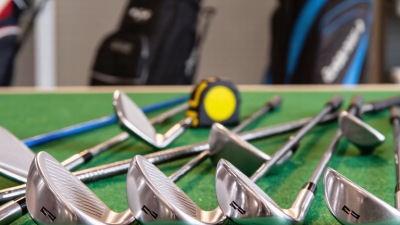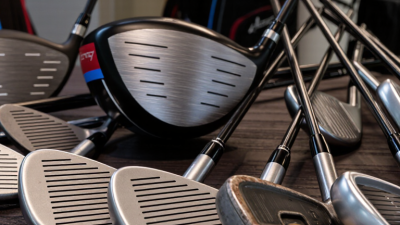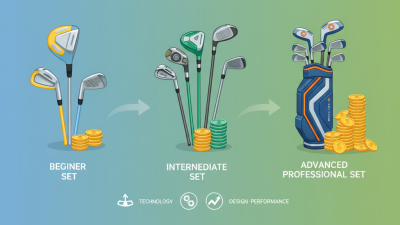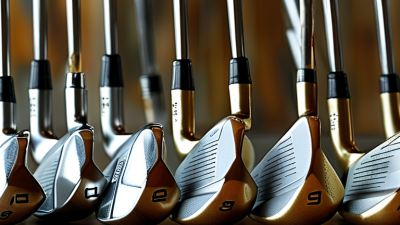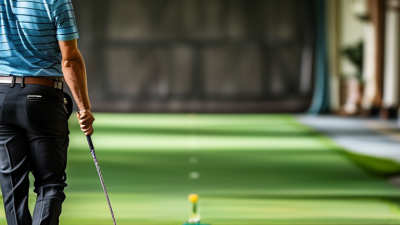
Second hand golf clubs are pre-owned golf clubs sold after another golfer has used them. They can include drivers, irons, wedges, putters, or a complete set. Some are lightly used, with clean faces and original grips. Others show bag chatter, worn grooves, or shafts that no longer suit their next owner.
For many golfers, the appeal is simple: spend less without giving up useful equipment. A familiar model may cost far less than its new equivalent. Still, a low price does not make every club a good buy. Check the clubface, grooves, shaft, grip, and any signs of dents or repairs. Ask about the club’s age, condition, and return options. A quick swing in-store can reveal more than a polished listing photo.
Golf club designer Tom Wishon has emphasized fitting clubs to the player; put simply, “Choose for fit, not just price.” That is a paraphrase, not a direct quotation. His equipment-focused perspective points to a practical question: does the club match your height, swing, and usual ball flight? A bargain driver with the wrong shaft can feel difficult to control. A used iron set with suitable lie angles may serve a beginner well for years. Not every deal works out. Even experienced buyers can misjudge wear from photos, so inspect carefully when possible. The sections ahead explain what second hand golf clubs are, how to assess their condition, and when buying them makes sense.
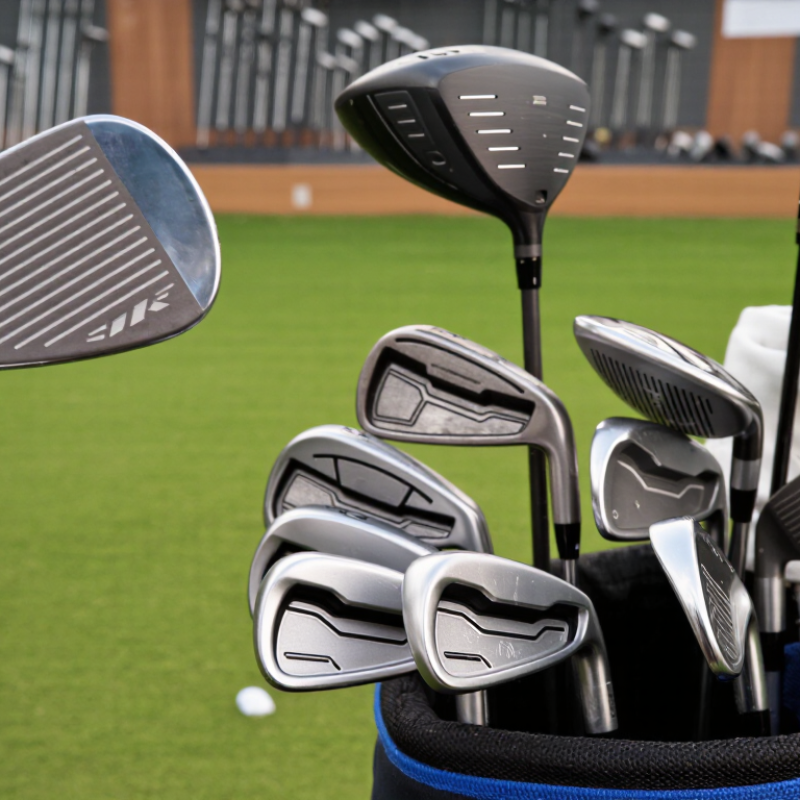
Second-hand golf clubs are previously owned clubs resold after use, trade-in, or a change in a golfer’s equipment. They may show anything from light sole scuffs to worn grips and small face marks. New clubs have no playing history and usually arrive with clean grips, consistent specifications, and a seller’s stated warranty. Used clubs vary more. A set can include different models, shaft flexes, or ages, so inspect each club rather than judging the set by appearance.
The National Golf Foundation reported that 26.6 million Americans played on-course golf in 2023. That figure describes participation, not used-club sales, but it shows the size of the player base that can feed resale and trade-in markets. Ownership does not change whether a club meets equipment rules: the USGA and R&A’s equipment standards apply to both new and used clubs. Still, wear matters. A smooth grip can slip in damp weather, while a dented shaft or loose head deserves careful checking. Honestly, condition is not always obvious in listing photos.
Tip: Check the clubface, grooves, shaft, grip, and stated loft. Ask for close-up photos and the club’s length and shaft details. Try it before buying if possible; even a tidy-looking club may feel wrong.
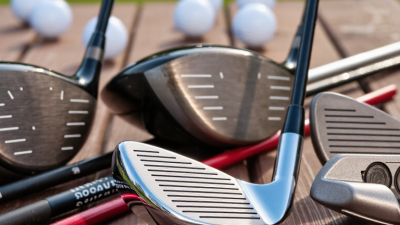
Pre-owned golf clubs can be bought individually or as a complete set. Common options include drivers, fairway woods, hybrids, iron sets, wedges, and putters. A newer golfer may prefer a matched set, while an experienced player might replace one worn wedge. That matters. Club age alone does not tell you how well it will perform.
Golf-course pro shops and local golf retailers often sell trade-ins. Some allow buyers to inspect clubs in person, which makes checking condition easier. Specialist resale shops may offer used sets, single clubs, or fitting advice. Online marketplaces provide more choice, but photos can hide worn grooves or shaft damage. Ask for clear pictures of the clubface, sole, grip, and shaft before buying.
Look closely at the grooves, especially on wedges and irons. Deep scratches, loose heads, cracked shafts, or smooth grips can mean extra repair costs. Feel the grip. Check that the club’s length and shaft flexibility suit your swing, not just your budget. A low price can be tempting, but a club that feels awkward may stay in the bag. I would be cautious about judging condition from a single photo; even careful sellers can miss small defects.
A used club can look clean and still feel wrong. Check it in daylight, not just under shop lights. Look for cracks around the hosel, dents on the head, and deep marks across the face. Worn grooves may reduce spin, especially on short shots. Small details matter. Surface scratches are usually cosmetic, but loose rattling or a bent shaft deserves caution.
Run your fingers along the shaft and inspect it for dents, splits, or uneven bends. Check the grip for slick patches and hard, shiny areas; a worn grip can make the club twist in your hands. Replacement grips are possible, but include that cost when comparing prices. Ask whether the club’s loft and lie have been altered. A small adjustment can change how it sits at address.
Fit matters as much as condition. Compare the club’s length and weight with one you already swing comfortably. If possible, hit several shots from a mat or practice area and notice the contact, launch, and balance. Does the face sit square? Does the shaft feel too soft or stiff? A few solid shots help, but they do not prove a perfect fit. That part is easy to misjudge. When the feel seems close, a qualified fitter can check measurements before you buy.
Example used-club inspection score (0 = poor, 5 = excellent)
Used clubs can be good value when their condition and specifications suit your swing. This example rates the grooves, face, shaft, grip, and fit on a 0–5 checklist; it is an inspection illustration, not a market-wide survey. Check for worn grooves, damage, shaft issues, and a grip that may need replacing. Confirm club length, lie, and shaft flex by testing the club or consulting a fitter.
Second-hand golf clubs can make the game more affordable, especially for beginners who are still learning which club shapes and shaft weights feel comfortable. A used set may leave room in the budget for lessons or practice balls. It can also provide a practical way to try a different putter or wedge without paying full retail price. A lower price is not always a better deal, though. Condition matters.
Check the clubface grooves for heavy wear, and look closely for dents, rust, loose heads, or cracks in the shaft. Run a thumb over the grip; a slick, hardened surface may need replacing, adding to the real cost. That matters. Mixed sets can also have different lengths, shaft flexes, or lie angles, which may make consistent swings harder. If possible, inspect the clubs in person and hit a few balls before buying. Ask about returns, too, since policies vary. There is no perfect bargain: a scratched club may play well, while a shiny one may not suit your swing. It is easy to focus on the price tag and overlook fit. A basic fitting or advice from a qualified golf instructor can help you judge whether the savings are worth the trade-offs.
A pre-owned golf club is worth buying when its condition, fit, and price make sense for your game. A low price alone is not enough. Check the face for deep grooves or dents, then inspect the shaft for bends and the grip for slick, hardened rubber. Small scratches are usually cosmetic. A loose head is not. Ask about the club’s age and history, and take a few practice swings if possible. Feel matters.
Fit can make an older club a better choice than a new one. The shaft should feel manageable, and the club’s length and lie should let you stand naturally over the ball. If you often miss shots in one direction, a fitting or knowledgeable shop inspection may reveal whether the club suits your swing. I have seen golfers focus on the shiny crown and miss a worn grip. Easy mistake. Replacing grips costs money, so include that in your offer.
Used clubs can be especially worthwhile for beginners, occasional players, or anyone testing a different club type without paying full retail. Compare the asking price with similar clubs in similar condition, not just the original price. If the seller cannot answer basic questions, walk away. Or pause. A bargain that needs repairs may not stay a bargain for long.
| Buying Situation | Are Pre-Owned Clubs Worth Buying? | What to Check | Best Fit For | Potential Advantage |
|---|---|---|---|---|
| Recent-generation club in good condition | Often yes, if its specifications suit the golfer and the price is meaningfully below a comparable new club. | Inspect the face, grooves, shaft, grip, head and hosel. Confirm the stated loft, shaft flex, length and handedness. | Golfers who want modern equipment without paying the full new-club price. | Can offer similar playing features to a new club at a lower purchase price. |
| Older club with visible wear | It can be worthwhile for casual play, practice or a low-cost replacement, provided there is no structural damage. | Check for cracks, dents, loose heads, worn grooves, corrosion and shafts that appear bent or damaged. | Beginners, occasional golfers and players building a budget set. | Usually costs less than a comparable club in better condition. |
| Club that matches the golfer’s fit | Usually a stronger choice than buying a newer club with unsuitable specifications. | Compare length, lie, loft, shaft material, shaft flex, grip size and club weight with the golfer’s needs. | Golfers who already know their preferred setup or have had a fitting. | A suitable fit can support more consistent contact and comfort. |
| Mixed or incomplete set | Worth considering if the missing clubs are easy to replace and the set offers good overall value. | Check which clubs are included, whether the set has consistent specifications and whether the bag or accessories are included. | Beginners who need a basic set and do not require every club immediately. | Lets buyers start with the clubs they use most and add others later. |
| Club with an uncertain history or unclear condition | Only if the seller allows a careful inspection and the price reflects the uncertainty. | Ask about repairs, use and storage. Test the club when possible, and avoid purchases with unexplained damage or mismatched details. | Experienced buyers who can assess equipment condition. | A cautious inspection can help avoid unexpected repair or replacement costs. |
| Damaged club or badly worn striking surface | Usually not worth buying for regular play unless it is clearly intended for parts or display. | Look closely for cracks, loose components, deep face damage, heavily worn grooves or a damaged shaft. | Buyers seeking spare parts, not a dependable playing club. | There is little advantage if repairs or replacement remove the initial savings. |
Presidio Golf Course
300 Finley Road @ Arguello Gate
San Francisco 94129
P: 415.561.4661
MAP IT